 EN
EN

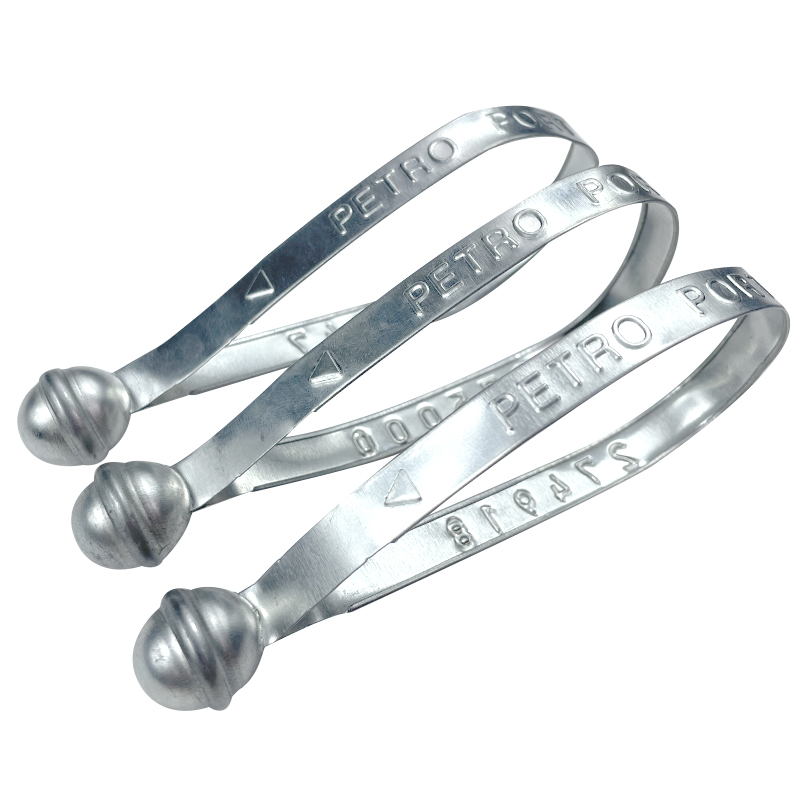
ISO 17712:2013 High-Security Requirements for Container Security Seals
Founded in 17712:2013, the International Standards Organization (ISO) established the rules that container-measuring high-security seals must meet to be considered reasonably secure for international shipping. To avoid customs delays, rejection of cargo, or losing trader status, one must meet the standards.
Three-Tier Classification and Why 'H'-Class Is Mandatory for Global Trade
ISO 17712:2013 describes seals in three parts: Indicative (I), Security (S), and High Security (H). I-class seals are virtually useless for shipping goods across borders. I-class seals provide some protection against unauthorized access, but do not meet the requirements for shipping. H-class is the only option. They meet the requirements that international shipping regulations require. H-class seals must undergo testing in certified laboratories for high-security seals certification. Customs authorities require that international shipping containers have H-class seals. Most cargo theft cases, 78%, occur with violations in the seal class. It's essential for H-class certification to be considered for supply chain integrity.
Key Technical Criteria: Tensile Strength ≥10 kN, Shear Resistance, and Tamper-Evidence Design
To be classified as seal ‘H’ class, it must meet three technical criteria that are unquestionable for ISO 17712: 2013.
Tensile Strength ≥10 kN: This is equivalent to having over 2,250 lbs of pulling force endures- tested via hydraulic pull test.
Shear Resistance: Must be cut resistant with bolt cutters and other regular hand tools- proven by a standard shear.
Tamper Evidence Design: All attempts of removal or by pass must result to a non reversible and visible false evidence to be fractured, color changed or micro and surface tactile changed- proven by
Surface analysis.
Technical Requirement Purpose Testing Method
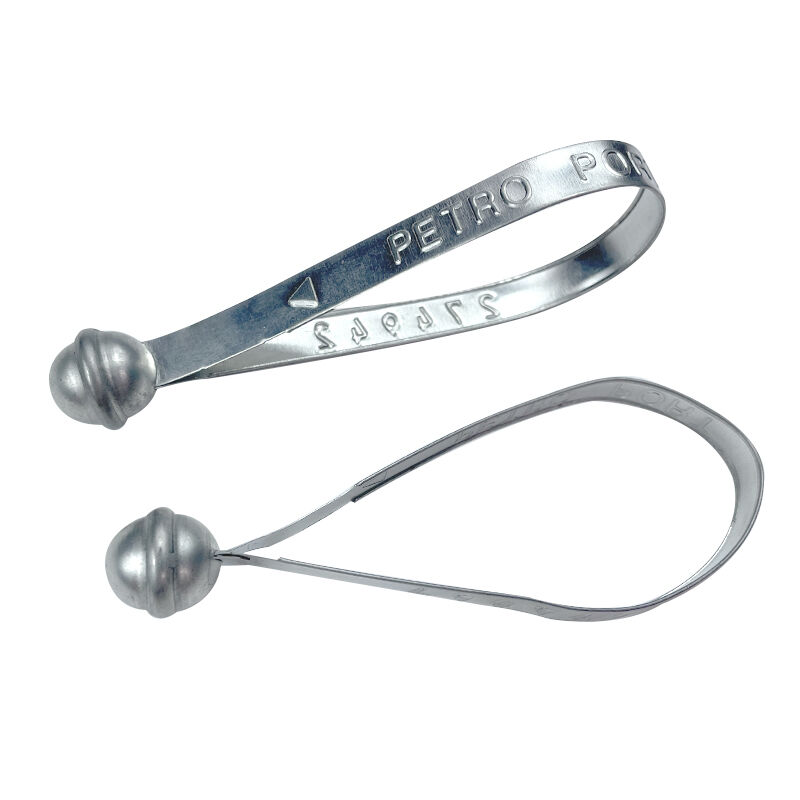
Tensile Strength (≥10 kN) Prevents brute-force attacks Hydraulic pull test
Shear Resistance Counters cutting tools Bolt cutter simulation
Tamper Evidence Shows access attempts Microscopic surface analysis
The manufacturers have to integrate unique serialisation and anti-reassembly features (destructible locking mechanisms or one-time use cores). Compliance is assured through 3rd party certification and End of the line destructive testing to the manufacturers’ seals to validate that they perform as expected for the seals to meet the challenges of the real world transport conditions.
CTPAT and U.S. Customs Alignment: Container Security Seal Validation
Certification Plus: Process Control and Chain of Custody
CTPAT compliance encompasses more than physical seals. It entails having the appropriate checks and balances. Only a limited number of personnel authorized to do so can apply these special H-class seals when the containers are loaded. A supervisor must check to ensure that this is done correctly. At each checkpoint, a procedure called VVTT is followed. What is VVTT? VVTT involves looking for signs of tampering, ensuring that the seal number matches the paperwork, and then conducting two physical tests. The first of these is to conduct a tug test to confirm that the seal is firmly attached. The second is to ensure that the seal can be freely rotated and tamper-proof.
Accurate records of a product’s chain of custody offer the same level of value in the business. We require the records of the digital logs related to the seals, the location of the seals, the recipient of the seals, the replacement of any seals, and the incidents involving the seals. We are required to keep any damaged seals for a period of twelve months. If there are mistakes in the records, we notify the shipping companies, and we notify the CBP. This shows accountability to all parties. The Transport Security Report for the previous year indicates the greatest supply chain security problem as the result of a lack of process, not defective seals. Keeping process documentation up to date is as important as maintaining all the security measures for physical integrity.
Global Recognition Framework: Recognition of Container Security Seals by the WCO, the EU, and Asia-Pacific Regulators
Mutual Recognition Agreements (MRA) and Cross-Border Seal Acceptance
Mutual Recognition Agreements (MRA) streamline border crossing procedures by allowing approved container seals to bypass manual inspection when crossing borders with participating countries. From the World Customs Organization’s perspective on the SAFE Framework, MRAs involve the consolidation of numerous technical validations, mostly focused on the ISO 17712:2013 H-Class certifications. Therefore, if a seal is accepted in one country, it is assumed to meet the requirements of the other countries. Border processing times have been estimated to decrease by 70% while still providing adequate tamper evidence protection. An example is seals that are certified by the US CTPAT program, which are accepted in several Asia-Pacific markets and pegged under MRAs, thereby eliminating the costs associated with repetitive testing and improving efficiency of the entire shipping process.
Regional Differences: Japan’s TAPA-Compliant Seal Protocols Versus The EU’s AEO
ISO 17712:2013 is the bare minimum for the standard securitization of the seal industry. The AEO of the EU has a strong emphasis on data integration, and as such, the companies manufacture seals that allow for crossing of digital data systems all throughout the EU. There’s a more robust focus on the sealing systems themselves with Japan’s adaptation to TAPA, which is a more physically robust laid-down standard. There is a legal requirement to have a bolt seal that exceeds 18 kN for any seal that functions on transport segments of the supply chain that are deemed to be risky and the regulations are very strict with regard to when and how the bolt seal is to be applied and the manner in which the seal is to be inspected. It becomes critically important for businesses that are transporting cargo to/from Europe and Asia Pacific with regard to viscous compliance to the sealing regulations as there is a 15-30% likelihood of a customs inspection of unregulated cargo, in which case, cargo is frequently detained in its entirety until a full inspection and clearance are completed.
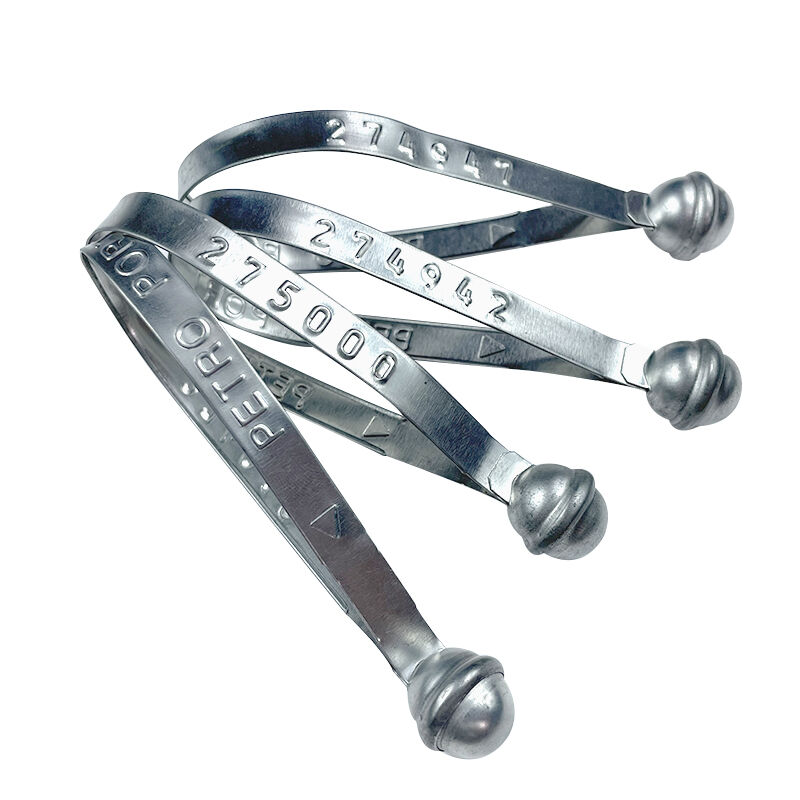
Selecting Certified Security Seals for Containers: A Compliance Checklist
You must be methodical when determining what security seals to use for container shipment to ensure your method will successfully hold in audit situations. First and foremost, you must ensure that each security seal has a certified seal that is ISO 17712:2013 'H' class certified from an independent source. Other documentation demonstrating at least 10kN of tensile strength and a documented ability of that seal to demonstrate a tamper proof characteristic must also be included. Combine your verification efforts and strong internal controls to be successful. Secure storage of seals, centralized databases with detailed entries for each seal and the date applied, limited access based on position control, and access control are examples of good internal controls. Training will be required on the method of installation, and also the evaluation of the seals during transit. Examples of those 'red' characteristics include tool marks, leftover adhesive, or a posting of seals. An 83% reduction in cargo tampering has been demonstrated by organizations that employ these defensive techniques as documented in the 2023 supply chain analysis. Defending your cargo tampering risk and achieving your compliance requirements (CTPAT, AEO, and MRA) are achievable with the steps defined herein.
Frequently asked questions
What is ISO 17712:2013
Global container shipping has an essential standard, ISO 17712:2013, that establishes a guideline for performance and technical requirements for high security seals. If you want to be compliant with international trade, you must comply with this guideline.
Why is the 'H' class seal important?
'H' Class seals are important for international trade and shipping as they have the best protection possible because they have successfully passed rigorous testing for tampering and forced entry.
What are the main technical requirements for 'H' class seals?
Primary requirements stipulate tensile strength of >= 10 kN and shear resistance and other requirements necessitate that seals be tamper obvious to be protected against tampering and/or brute force.
What are Mutual Recognition Agreements (MRA's)?
With MRA's, the approved seals on containers are recognized by other partner countries with minimal checks, as long as the MRA countries are consistent with the security requirements.
What is the impact of regional regulations on security seals?
Although there is a baseline provided by Always follow the guidelines ISO 17712:2013, there are other region specific requirements in the formulation of security seals, like the EU and Japan that prioritize the incorporation of data or physical security as per the imposed standards.