 EN
EN

Staying Connected Through Technology
Design that stands out when tampered with
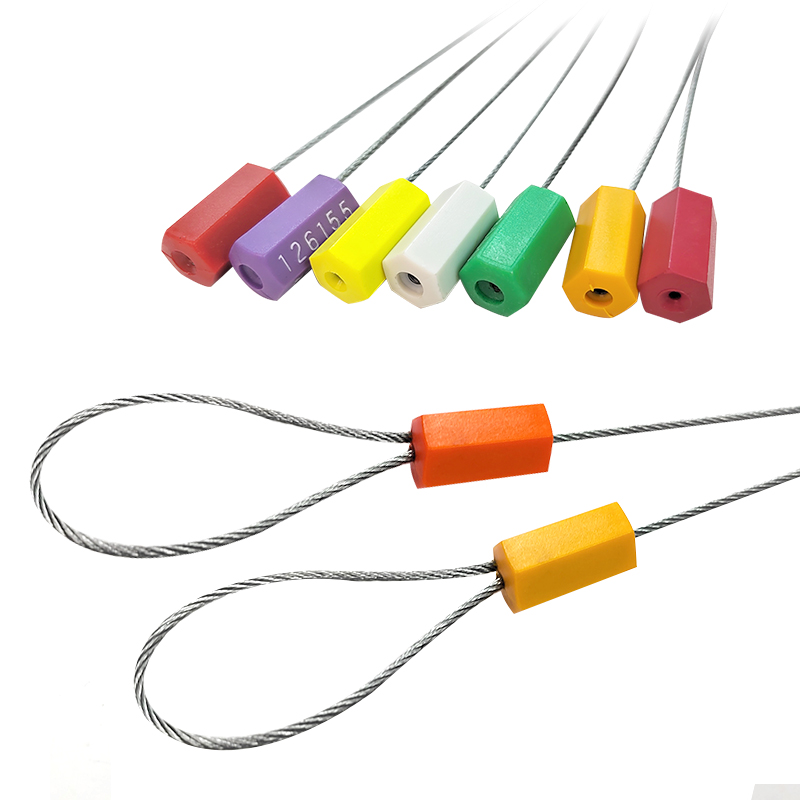
Cable seals are known for their unresettable locking mechanisms which are designed to withstand tampering, so seals are without remark to the owner. Anyone attempting to tamper with a cable seal will leave sign(s) of their attempt, whether that be broken wire, misplaced metal parts, or numbers out of order or out of place. The insignia left behind by the tamper of the seal helps trace responsibility and identify suspicious activity, including cargo theft onboard. This is particularly true for high-risk shipping routes that carry high value cargo, with last year’s TT Club statistics confirming that 31% of all cargo losses were a result of colluded insider theft.
Containers often come in different shapes and sizes. Having adjustable seals like cable seals makes securing containers easier and more convenient.
Regular bolt seals and plastic seals tend to get stuck in odd shapes and sizes, while cable seals are more versatile. They can stretch to handle openings between 6 inches and 6 feet. And most of the time, they can be adjusted in the field to secure door latches, valve handles, and hatches. They have been shown to decrease the time it takes to deploy seals by 70% in field operations when compared to bolt seals. Additionally, cable seals are more versatile, allowing securement of ISO tank valves, curtain siders, railcars, and utility enclosures. Standardizing seal types by using cable seals can help maintenance teams because they will have fewer SKUs to deal with.
These cable seals have been made for extreme durability, capable of withstanding tensile forces greater than 4,500 lbs, meaning they can't be cut off with anything less than industrial grade cutting tools, while a plastic seal would be cut with a simple pocket knife. These seals are made with marine grade 304 stainless steel, which can withstand corrosion from saltwater for at least 5 years, and are wrapped with flexible dual layer PVC and XLP, which remain flexible at temperatures as low as -40 degrees Fahrenheit and as high as 176 degrees Fahrenheit. In lab tests of cable seal chemical, UV radiation, physical impact, and weather durability (ASTM F2099 and F1817) cable seals have withstood proven more than competitor seals. Cheaper alternatives have a tendency to fail more quickly, regardless of conditions.
Tool Requirement Industrial cable cutters Household scissors
Temp Range –40°F to 176°F 32°F to 140°F
Certifications ASTM F2099/F1817 None required
Cable Seals vs Bolt Seals: Structural Integrity and Audit-Ready Removal
Tensile and shear performance: Why cable seals outperform bolt seals under dynamic stress
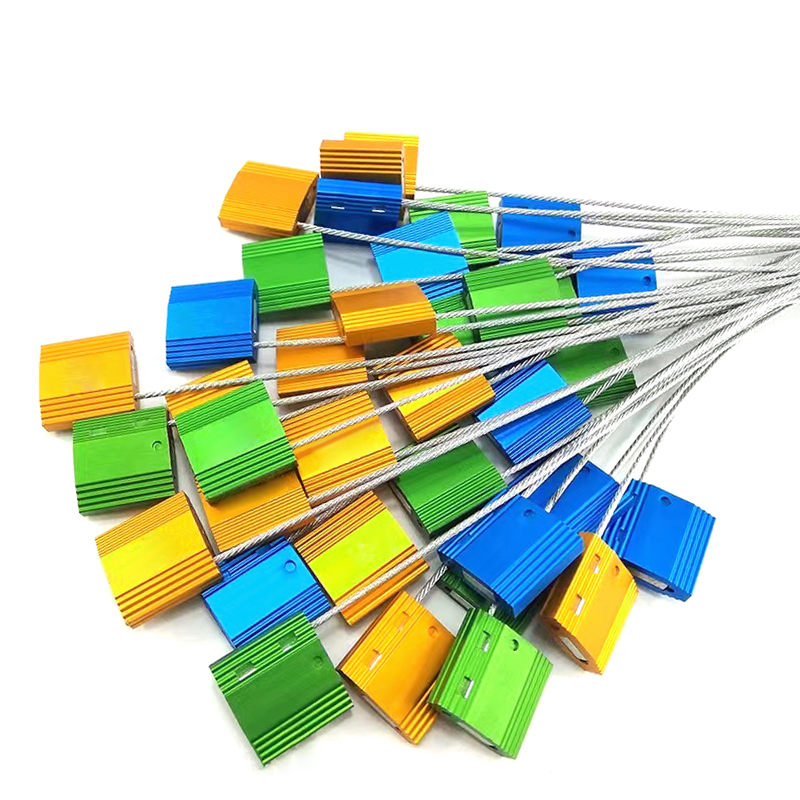
The braided steel design makes cable seals particularly good performers when containers are moving in transit situations. Regular bolt seals have issues because all the resistance builds up at those fixed points. They are likely to develop cracks in case of unexpected bumps or shifts in cargo. In contrast, cable seals withstand vertical and horizontal shifts and movements while remaining sealed. Cable seals have been tested to exceed 40% more shear force than standard bolt seals, in accordance with ISO 17712 tests that have been in effect since 2013. They stay sealed after multiple handlings, stacking, and rough conditions that occur during long haul truck transit.
Removal methodology and forensic traceability: Cable cutters vs. bolt cutters vs. grinders
Cable seals have a legal and immediate form of tamper evidence. Each of the methods of removal uses different tools that produce identifiable forensic marks:
Seal Type Cable Seals Bolt Seals
Removal Method Cable Cutters Bolt Cutters
Other Methods Used Angle Grinders Reciprocating Saws
Forensic Evidence Ends of cables visible (striations from cutting tools) In Evidence: © Over bolted head (mushroomed, sheared, hydraulic deformation, or contour ( = U) (less than) tensile) (i.e., no hydraulic deformation = no softening) = = = = (less than) © (less than) = = (less than) © (less than)
Cable seals and bolt seals have audit traceable evidence, but cable seals provide interference evidence quicker. This usefulness is crucial for time sensitive inspections. In addition, cable seals have forensic marks from tools that may be used during a more thorough investigation.
Cable Seals vs. Plastic Seals and Consumer Ties: Bridging the Security Gap
Normal plastic seals or the generic nylon cable ties from a hardware store are just used for when there is a complete lack of concern for security. Sure, they may be adequate for a box that is just sitting in the garage, but when actual security is needed, they completely fall apart. Standard nylon cable ties have been shown in testing from a variety of different industries to fail at just under 50 pounds of force. If they are left in the sun or exposed to high temperatures, they become very brittle. And to top it all off, they can be cut with scissors, and it will leave no sign of cutting. This introduces a slew of problems when it comes to securing evidence in police investigations, protecting heated drug shipments, and securing high-value payloads during transportation.
Cable seals help close the security loophole. These seals use a solid body and end with an irreversibly engaged locking mechanism which provides a certified tensile strength of over 1000 pounds per the ASTM F2099 standard. In addition, the seals are resistant to most forms of industrial cutting and are functional in extreme weather, from -40 to 300 degrees Fahrenheit. Adjustable length and corrosion resistant construction offer ease of use across different applications. In addition, laser etching of serial numbers provides for improved tracking. The spring mechanism of the cable seal maintains a constant and even tension across different surfaces. The seal provides protection beyond simply indicating a container has been opened. The seal creates an actual physical barrier that makes it much more difficult to tamper with.
Choosing Cable Seals When Evidence of Tampering Is Not Enough
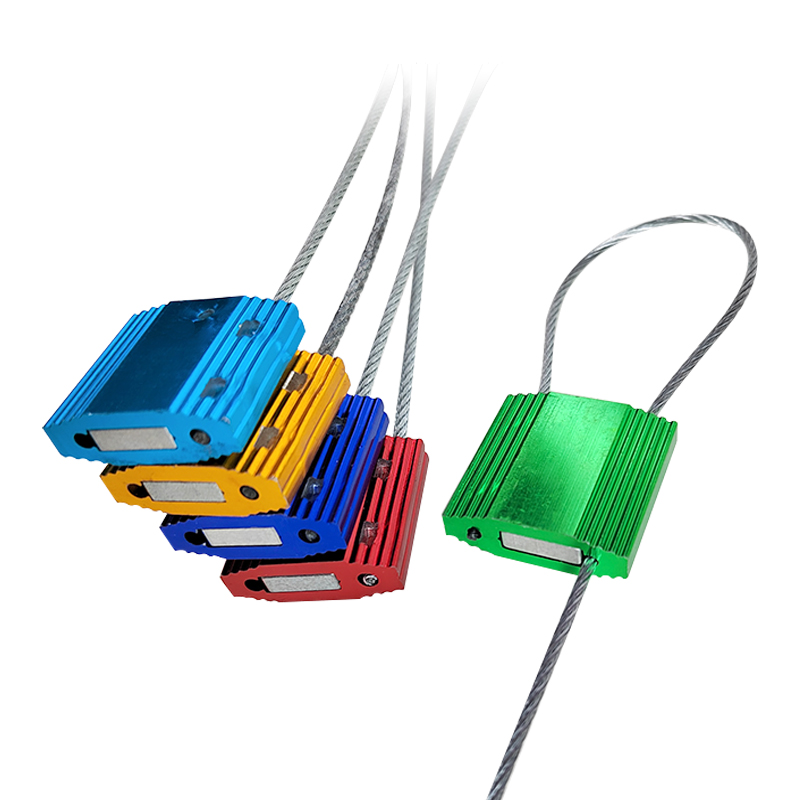
The only instance where cable seals fit best is when both threats require evidence of tampering, as well as active resistance against opportunistic breaches. In relation to shipping containers, utility meter cabinets, railcar hatches, and cold-chain transport, cable seals provide the following:
- Resistance to cuts. Steel cables withstand more than 2500 lbs of tensile force (ASTM F2099).
- Durability against the environment. Corrosion resistant coating is suitable in humidity, salt spray, and ultraviolet exposure
- Modifiable security. Field adjustable length ensures even closure applies consistent tension to uneven or oversized closures
Significant changes have been observed in regions of operation that experience high levels of cargo theft, and the recent update in the type of seal used is credited for this change. The Freight Security Report from 2022 indicated a near 66% reduction in theft of cargo among operators that employed cable seals. When it comes to cargo security, cable seals are the best option. In addition to providing thorough identification records with their unique identification system, cable seals also discourage impulsive theft because they are quite difficult to open. Moreover, they are far less expensive than implementing a strict cargo control mechanism that would disrupt operational flow of the business.
FAQ
What makes cable seals evidence of tampering?
Cable seals have a type of locking mechanism that is not adjustable once it is tightened. Tampering is evident when wires are broken or parts are bent.
What advantages do cable seals offer regarding managing different sizes of containers?
They allow customization and on-site adjustment and tensioning, which means they can accommodate different sizes of containers and irregular openings without the need to measure.
What makes cable seals more resistant and durable?
They are made from 304 stainless steel which means they are supremely corrosion resistant, and possess the remarkable ability to resist cutting, even in extreme conditions that meet the standards set by ASTM.
How do cable seals measure up to bolt seals in relation to structural integrity?
Due to the fact that they are made from braided steel, cable seals are more superior under dynamic stress than bolt seals, meaning they are better at coping with shaking, vibrating and movement from the environment.
How easily can cable seals be cut?
Not at all. Unique forensic marks are created on the seals when cut with industrial cable cutters, which are also very different from the marks made by ordinary bolt seals.