 EN
EN

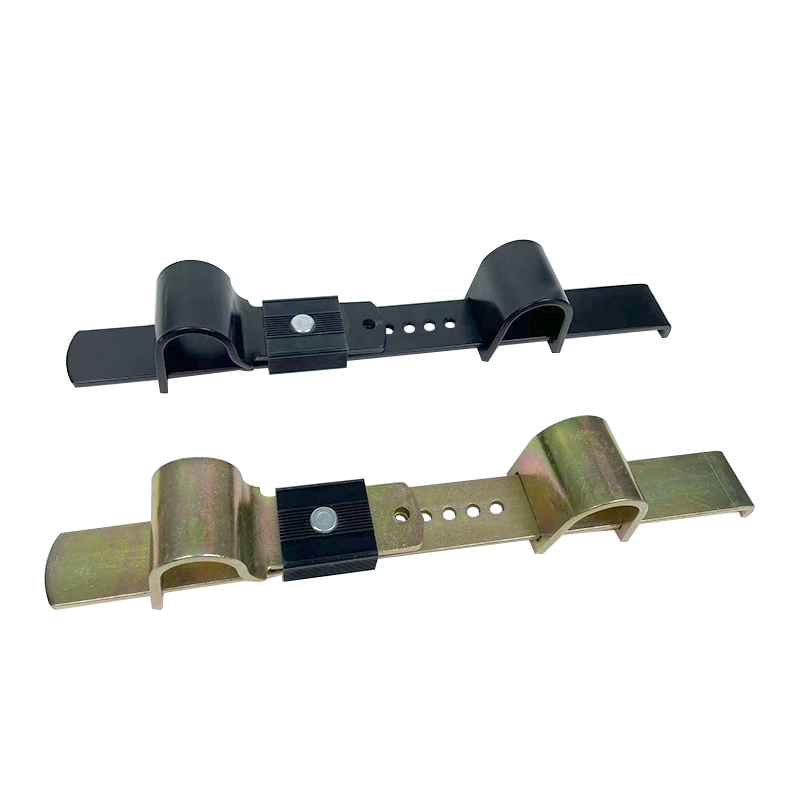
Requirements Regarding Compliance with ISO/PAS 17712 and High-Security Strength Necessities
Compliance with ISO/PAS 17712:2013 and Understanding High-Security Classifications
ISO/PAS 17712:2013 describes freight container seals and their classifications. These classifications include high, medium, and low security. High security seals, for example, must withstand a pulling force of 20,000 Newtons. Furthermore, high security seals must withstand various types of physical attacks such as blows, drilling, and cutting with a bolt cutter. Before certification, independent laboratories perform these tests on seals and other security devices. Certification requires a factory to undergo a third-party audit and evaluation of seal materials, security, tamper resistance, and quality control processes. A factory's certification status is important because its seals must be compliant with international customs regulations for cross-border containers, such as the C-TPAT and AEO in the EU. These certifications are particularly important for the shipping of high-value goods, such as medical devices, expensive electronics, and other high-value products. Customers expect no gaps in the security of their shipment, regardless of where the shipment is located in its supply chain.
Critical Physical Benchmarks: Pull Strength, Anti-Spin Design, and All-Metal Construction
Security seals that are built for high protection have a few non-negotiable features. First, they are designed to withstand a minimum of 20,000 Newtons of pull/tensile strength so that a user cannot pull the seal apart. Next, a high protection seal contains anti-spin components so that a user cannot deliberately compromise the seal using spin-rotational tactics. Finally, high protection seals are 100% metal, whether it be hardened stainless steel or a high-grade alloy, which protects the seal from cutting, rust, and extreme cold (down to -40°C), to extreme heat (up to 80°C). Plastic seals will simply break or fail, especially when subjected to high and/or sustained pressures over time, or when placed in harsh environmental conditions. It is for these reasons that high-end logistical companies will only procure seals from ISO certified companies. Real world container seal testing has demonstrated that certified metal seals experience two thirds less container breaches than non-compliant seals.
Tamper Evasion and Tamper Deter Designs of Security Seals for Containers
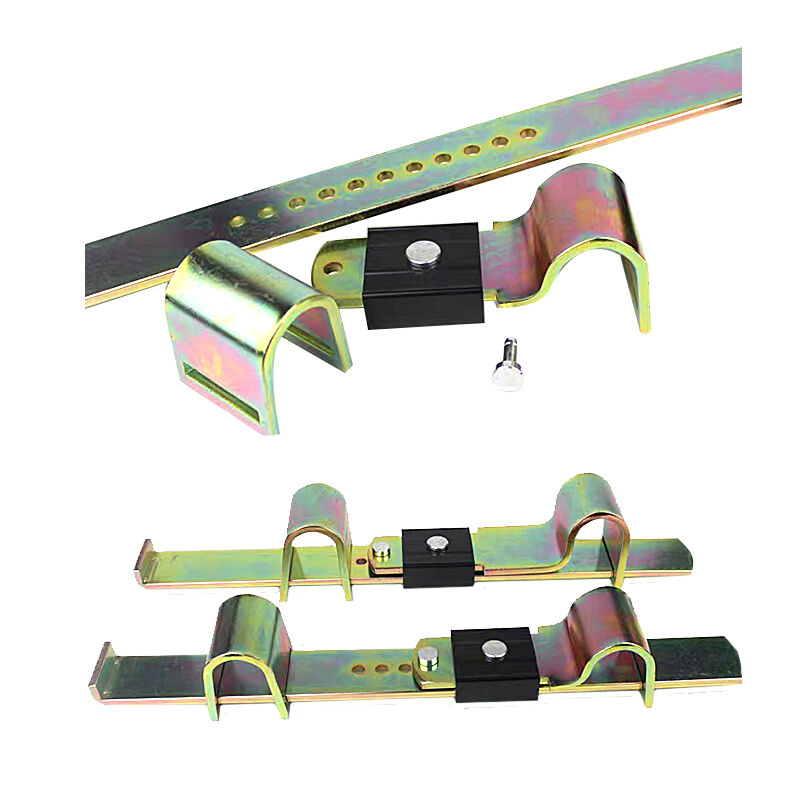
Seals with Irremovable Locks and Visible Tamper Evidence
When an irreversible lock is activated, it undergoes a permanent structural change and cannot be reset. There is no way to reassemble it or reset it. Examples are some types of shear pin bolts or ball bearing locks that get triggered and then snap. For high-security applications, these types of locking mechanisms are a requirement in the ISO/PAS 17712 standards, and these standards are the industry’s gold standard for physical security. Tamper evidence is designed to complement a physical barrier to tampering, and some security seals provide both. For example, some seals change color to red if tampering occurs. Others have a pre-cut pattern that is obvious for unauthorized attempts. Seals with both a physical locking mechanism and an obvious color change have been shown to reduce theft by 73% in the past year. It is easy to see why companies are putting these types of security seals on their shipments.
Features like Laser Marking, Unique Serial Numbering, and Brand Authentication
Products with laser engraved serial numbers, scannable QR codes, and brand logos in tiny text (or as a hologram) become almost impossible to counterfeit once locked in a container. All of these identifiers are and can be made unique to a product, giving businesses the ability to monitor and track their product in real-time and compare their identifiers to their database in real-time at any of their checkpoints. In industries like the manufacturing of pharmaceuticals, where the loss of control over sealed products can lead to serious consequences, including failing inspections and recalls, counter and unsealed counterfeit measures become even easier with the use of specially engraved and unique coded items. Counterfeit items not only are provable with these measures and do not require any additional certificates or other documents to be present.
End to end Supply Chain Visibility with Traceability and Uniqueness.
Container Security Seals and QR Codes, Barcodes, RFID.
Modern container security seals have QR codes, barcodes, and RFID, which allow the seals to become ''smart'' points. Each security seal contains a unique ID number, which uploads to a tracking system when a shipping container is handed off at a scan point. The RFID seals update their status and location (and changes to their condition) to a central console and reduce the number of manual checks by ~35%. The condition of an RFID seal will not affect the seals ability to upload data to the central console. Data captured by the QR code can remain intact and scannable, even when exposed to extreme saltwater, sunlight, and high-impact situations. This allows the shipping companies to utilize real-time data to make operational decisions and identify shipping containers that may have issues. Shipping containers can move through various modes of transportation and interconnected networks (i.e. via ship, rail, or truck) and will still be fully visible at all points of the supply chain, ensuring that all stakeholders can easily trace the shipping containers to their origin.
Material Selection and Environmental Resilience Across Transport Modes
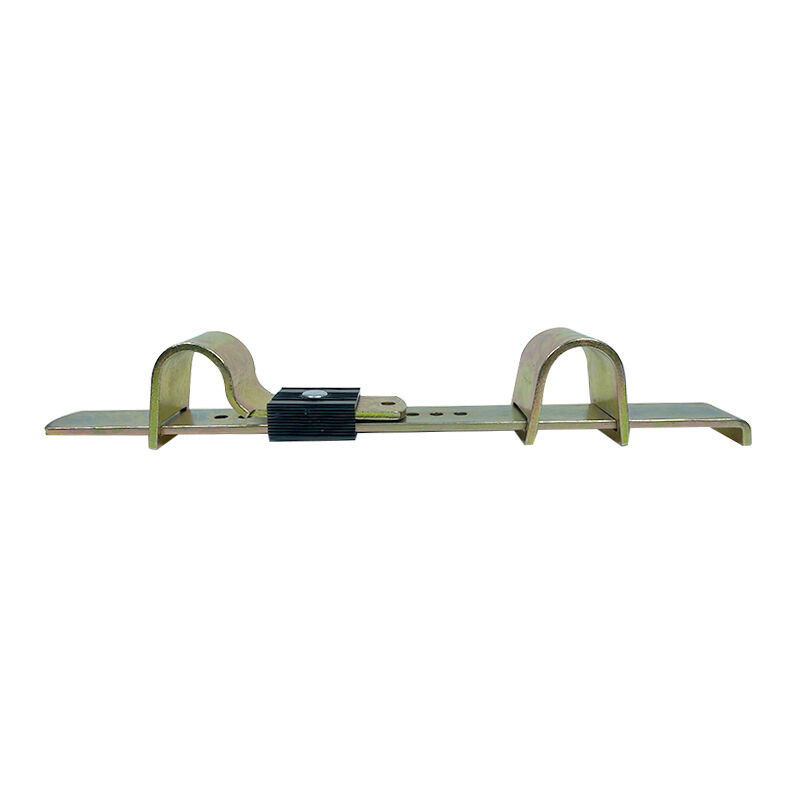
Plastic, Steel Cable and Bolt Seals: Fitting Security Seals for Containers to Risk Profile and Intermodal Conditions
The most appropriate materials for container security seals should consider three key elements: the nature and type of the risk, the location of the risk, and the type of transport service. Steel cables offer high resistance to cutting and other forms of theft and, therefore, are suitable for intermodal transport sections where theft of the consignment can occur. For some short haul sections of the transport service, for example, coastal and regional haulage sections, marine-grade plastic materials are more suitable because they are more resistant to UV degradation and rust when in proximity to seawater. Bolt seals are also obvious to see in case of theft as they show signs of having been tampered with due to the seals being modified and broken. The disadvantage of these seals is that they require special tools to be removed, and therefore, these seals are frequently encountered in high risk, high value intermodal transport sections, especially when such sections involve international transport.
Material selection is influenced heavily by the ability to cope with heat and physical stresses. For example, plastics remain flexible at temperatures as low as -40 degrees Celsius and can withstand as much as 80 °C without cracking. Stainless steel is used where there is high humidity and moisture because tropical humid climates do not promote rusting of stainless steel. Some special bolts can withstand contact with short durations of extreme temperatures, up to 1000 degrees Celsius. For products transported by train, the way materials react to the continuously moving train can be especially important. They also need to withstand the loads of other cargo which may be placed on top in ship containers. All these considerations help to ensure that the security features remain usable after the products have been transported over long distances and under varying environmental conditions.
What is the security level of container seals?
Seals’ security levels are classified into high security, medium security and indicative seals as per the ISO/PAS 17712:2013 standard.
What is the significance of high-security seals in international freight?
They safeguard high-value cargo in international freight by ensuring that the cargo is compliant with the customs requirements like C-TPAT in the US and AEO in the EU to prevent the freight from being opened and pilfered.
What are the characteristics of high-security seals?
A high security seal should be able to withstand a force of 20,000 Newtons, should have an anti spin mechanism, and should be made of a hard material such as stainless steel.
How do contemporary security seals improve traceability along the supply chain?
Because of real-time tracking and less need for manual checks, supply chain security seals use QR codes, RFID chips and bar codes.
What do container seals have to endure in terms of environmental conditions?
They have to endure extreme variations in temperature, moisture, and physical stress associated with various transport techniques.