 EN
EN

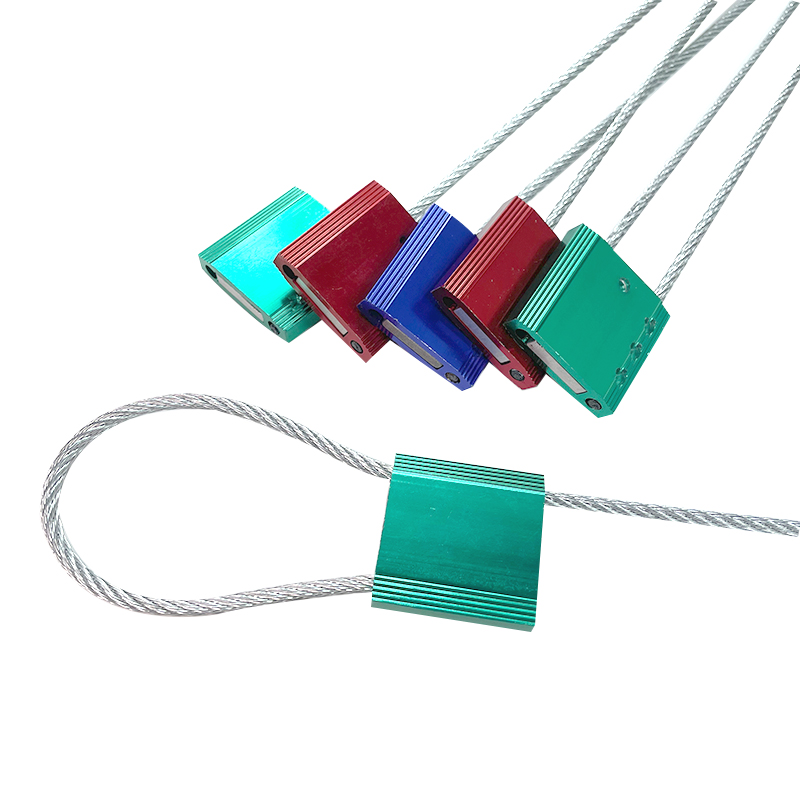
Understanding Compliance with ISO 17712 and Security Levels with Security Seals for Containers
Concerns Regarding Security Seals for Containers that Don’t Comply with Regulations
Seals that are not compliant with ISO 17712 put organizations at double risk for not only suffering $740k average fines per incident (Ponemon 2023) but also for ongoing cargo theft and loss. Such seals do not offer auditable, tamper-evident protection, and thus do not restrain shipments during high-risk transit. Border enforcement routinely removes non-compliant shipments, which causes delays throughout the entire supply chain. For those partnered with Customs-Trade Partnership Against Terrorism (C-TPAT), multiple breaches of compliance may result in suspension, which directly impacts the supply chain and trusted partner status.
What the Letters H, S, and I Mean in Connection with Container Security Assurance
All certified seals must have a unique laser-etched design, must be tamper-evidence, must originate from their manufacturing facilities which are subject to random audits. Seals in the H category cost approximately three times as much as seals in the I category, but using these seals is not only a means of exercising caution, but also of risk management in relation to the cargo where a breach may result in regulatory, reputational, or life-threatening implications.
Select Suitable Security Seals for Containers According to Risk Level for the Cargo
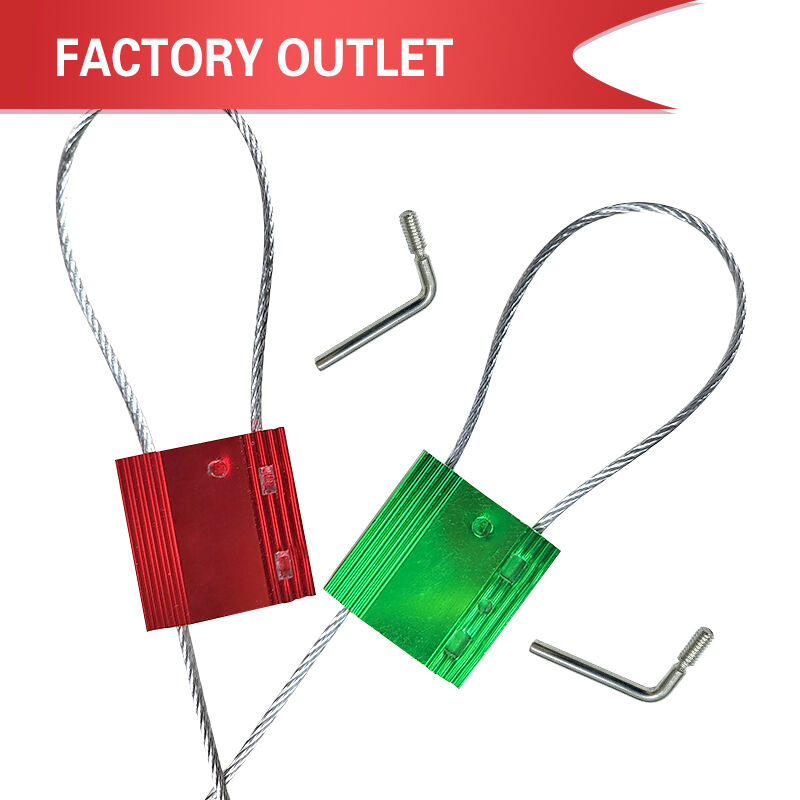
Cargo Value, Route, and Risk Environmental Conditions
The starting point at the selection of the appropriate seal is the assessment of the value of the shipment, the travel route, and the risks of exposure to environmental conditions, and not the budget. Shipments valued over $500k at risk of theft during transport have a 47% chance of being stolen (2023 freight security data); hence, for pharmaceutical, electronic, and other high-value cargo, the ISO 17712 “H” certification is mandatory. Shipping through corridors with the risk of piracy have seal requirements with a shear strength of at least 15,000lbf, and for urban distribution centers, seals with visible indicators of being tampered with are most beneficial. Environmently, the arid regions stimulate faster the deterioration of the seal (3 times) due to certain climatic conditions than the marine environments. The illustration below summarizes the requirements tailored to key performance specifications:
Risk Factor Seal Requirement Performance Threshold
High-value cargo ISO "H" certification ≥15,000 lbf shear strength
Humid transit routes Corrosion resistant materials IP68 waterproof rating
Extended Journeys UV Stable components 5-year material warranty
Bolt, Cable, and Electronic Seals: The Threat Vector Depends on Which Security Seal is Used
The form factor of seals will determine the type of threat. In terms of rigidity, bolt seals provide full protection of the standard container doors—steel variants that resist cutting forces of over 25,000 lbf. Cable seals, on the other, will provide flexibility in a way that it can adapt to irregular locking points (like flatbed trailers or tankers), but offer ~30% less shear resistance, and thus are useful when the balance is for flexibility rather than extreme resistance to intrusion. Electronic seals combine GPS, cellular, and intrusion alerts to provide an audit trail in real-time during transport, thus cutting inspection time by 80% for time-sensitive perishables and high-priority cargo. Function and form are separate: strategic choice is not only about one.
Bolt seals are designed for maximum protection at high theft corridors, where measures like bolt cutters are not enough to stop thieves.
Cable seals are designed for special transport configurations that require multi-point locking systems.
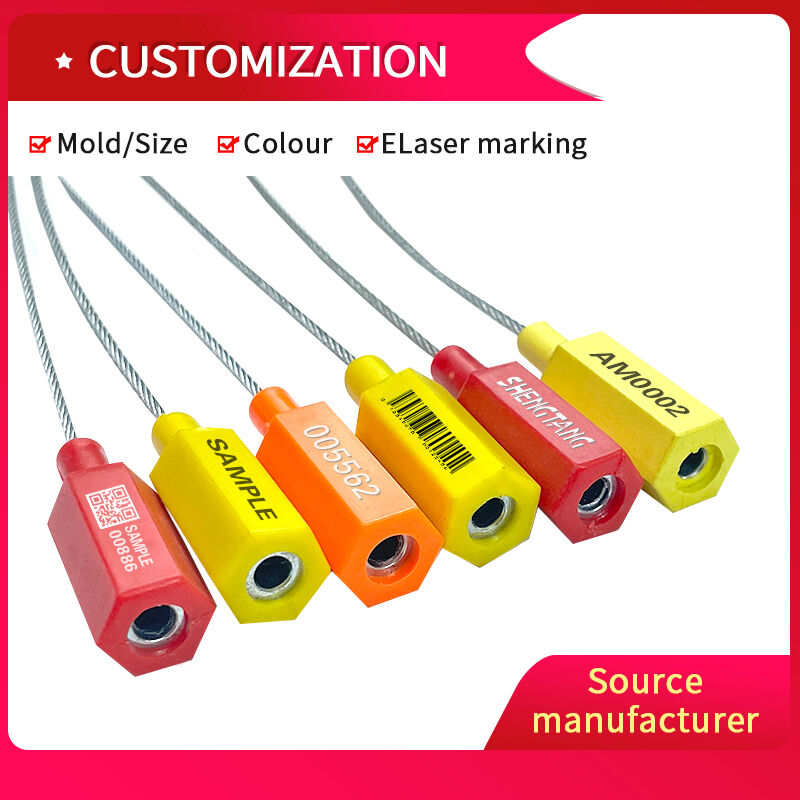
Electronic seals are designed to ensure full visibility of remote and unsecured storage yards.
According to the 2024 intermodal security report, hybrid solutions, barrier physical protection combined with real-time electronics, are now preventing 92% of intermediate theft incidents. This convergence shows us that the industry is actively replacing passive deterrent strategies with active, proven security measures.
FAQs
What is ISO 17712 compliance?
Compliance with ISO 17712 means that security seals for containers meet certain requirements for being auditable and tamper-evident.
Why is it important for security seals to be ISO 17712 compliant?
It is important to have ISO 17712 compliant security seals to decrease the likelihood the cargo is compromised or to minimize the fines that may be imposed due to cargo loss. ISO 17712 compliant seals possess adequate tamper-evidence, strength, and durability.
What are the different security levels for container seals?
Container seals are classified into three different categories that offer varying levels of security concerning resistance to tampering and attacks. These categories are High Security (H), Security (S), and Indicative (I).
How do I choose the right security seal for my cargo?
When choosing security seals, you should consider the potential threats to cargo, the value of your cargo, the route, and the environmental conditions.