 EN
EN

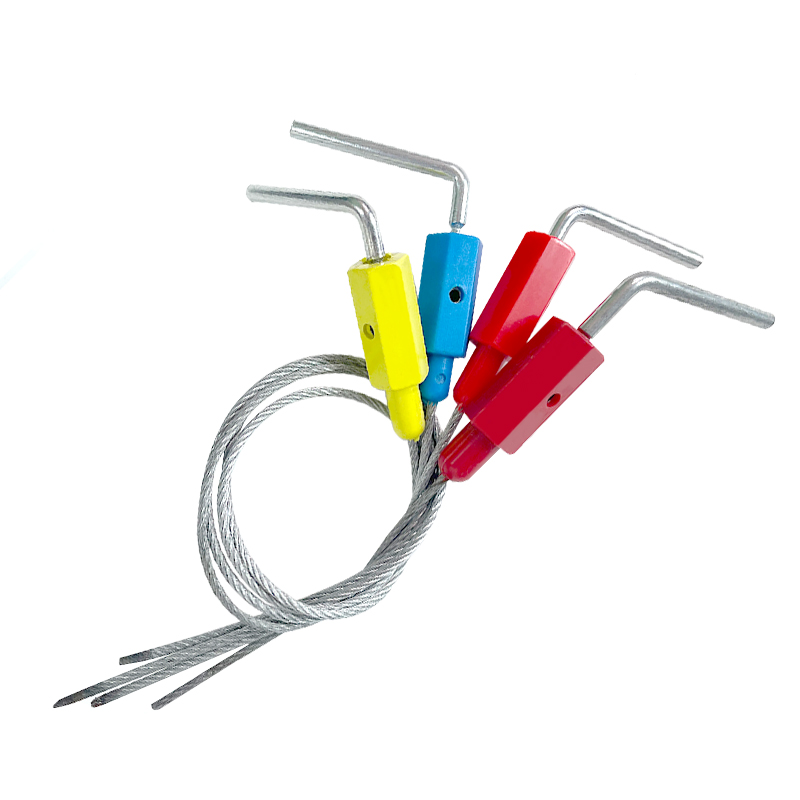
Tamper-Evident Protection: The Core Function of Security Seals for Containers
The mechanism of tamper-evident design provides for the instant discovery of unauthorized access.
Permanent damage to security seals for containers, whether from broken bolts, cut cables, or a permanent “VOID” sticker, provides instant disclosure of tampering. Components designed to be perpetrated easily may shatter. Parts scattering upon tampering prevents resealing. This verification of integrity requires no tools and no specialized training, enabling logistics personnel to check seals during transit. This method cuts inspection time by a whopping 70%. The rapid discovery of tampering supports an immediate response which helps to secure an estimated $3.5 billion of pharmaceutical cargo, which is lost in theft each year, and helps to secure loss during the many theft windows created by the less than a minute each.
Cargo integrity and the unbroken chain of custody from point of orgin to point of destination.
These seals create a storable, auditable security timeline from the moment of sealing to the final point of delivery. At each hand-off, the automated system verifies the seal ID and manifests for the creation of a digital record which stands in legal evidence. This level of accountability from the beginning to the end of the process makes it impossible to internally steal cargo. Sustaining compliance to international shipping laws and lost cargo integrity loss during 10+ handler transitions is ensured by the reduction of insured cargo loss during the shipment.
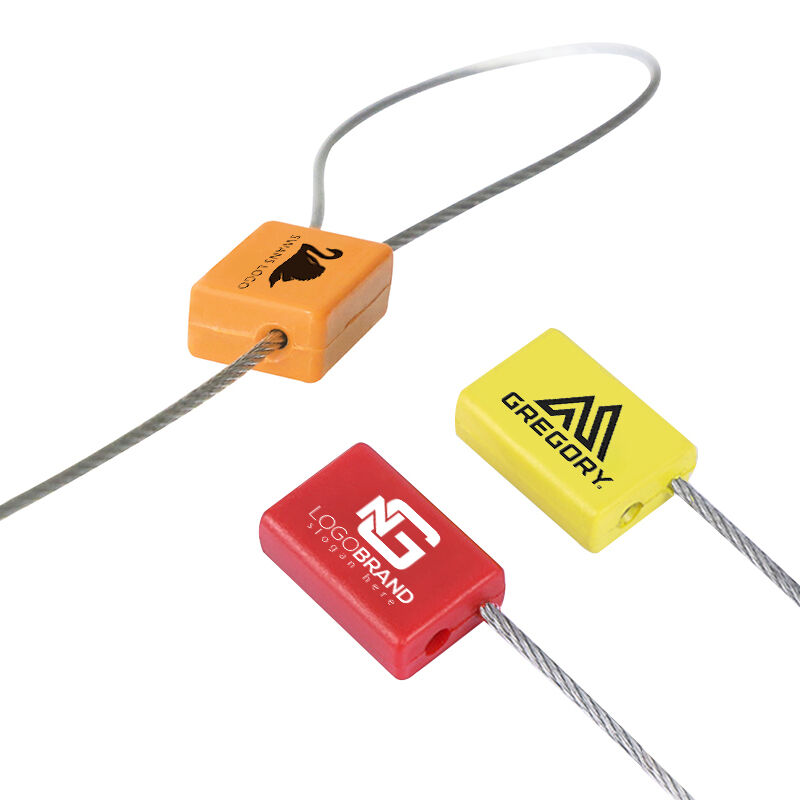
Regulatory Compliance: ISO 17712 and C-TPAT Security Seals on Containers
ISO 17712 Security Classifications and Verification
C-TPAT accepts high-security seals, rated “H”, which have undergone third party testing of tensile strength, shear resistance, and impact durability. Clause 6 Certification seals also must show evidence of irreversible damage i.e. forensic tampering, evidence under extreme chemical or temperature changes. Failure to comply with seal requirements often results in a 30% increase in customs inspections and more than $10,000 in violations (U.S. CBP 2023). Verification of compliance includes maintaining records of container ID and serial numbers, timestamps of seal placements, and logbooks or records.
Protection of Cargo During Transit and Managing Loss Due to Theft via Security Seals on Containers.
The effectiveness of high-security seals and their impact on cargo theft.
Cargo theft has a significant impact on the shipping and transporting industry, with average values of cargo theft worldwide exceeding $200,000 (BSI 2023.). Reports indicate that there were a total of 61% theft increases in the TAPA Reports with EMEA in 2023, revealing vulnerability in transits and supply chains. High-security seals are a strong deterrent and agents, and their anti-tampering features in seals are a reversible locking mechanism, which shows that unauthorized access is immediately visible. Sealed containers become theft-magnets, were crimes are avoided. Seals of this nature are able to reduce theft by 78% (logistics security analysts 2023). These seals transform the container to a high-risk proposition.
The Loss of Assets, Legal, financial, and Penal Deficiencies Related to Security Practices
Ineffective sealing draws multiple failures due to poor cargo security practices. In addition to freight losses each incident of which has an average of $148,000 (FreightWatch 2023.), companies lose in a huge way, legally, financially and with respect to reputation:
Financial Deficiencies due to Higher levels: Uncontrollable levels of Insurance costs and regulatory fines with an average of $500,000 due for not complying with ISO 17712
Legal Deficiencies: Hiring of Lawyers, and Contract disputes and lawsuits due to inadequate chains of custody within the cargo
Reputation Loss: with respect to public image, companies will lose 81% of their contracts with repeated deficiencies in security practices that are reported (Supply Chain Resilience Report 2023).
Evidence of the Tampering that occurred in the presence of such seals results in a high insurance loss. In 43% of these cases, the companies must fully absorb the loss. Deficiencies in regulatory practices are met with robust Tamper Evident seals. Tamper evidence is related to custody complaints and evidence of operational integrity, which is demonstrated to the regulators, and commercial partners on a continuum.
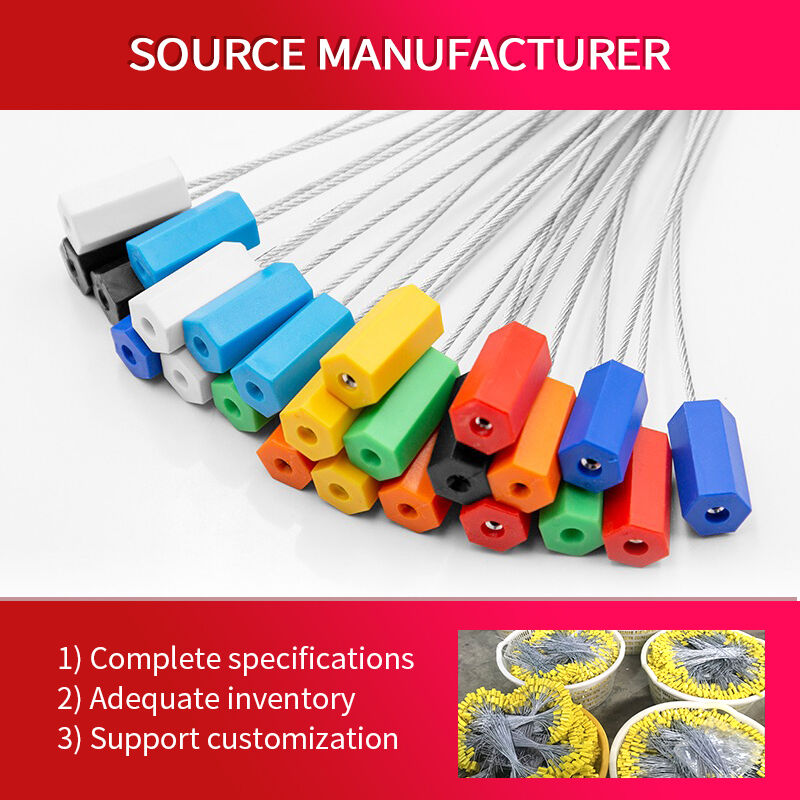
Strategic Seal Selection: Security Seals for Containers and Operational Needs
An effective seal selection system incorporates both performance and real-world operational variables. High-value shipments, including pharmaceuticals or electronics, that cross international borders typically receive ISO 17712 Certified Bolt Seals. They provide robust, clear, and positive evidence of tampering. In contrast, for low-value domestic shipments, cost-saving, simpler solutions such as plastic or cable seals can provide evidence of tampering and are adequate for the level of risk involved. The following describes the optimal parameters:
Threat Exposure: The current industry standard, as of 2023, requires mechanical strength in excess of 10k lbf for highly theft-prone shipments
Environmental Factors: Steel is required for highly corrosive sea environments, and anti-ice polymers are required for areas that are highly cold.
Latch Compatibility: Bolt seals integrate well with standard doors on containers whereas, cable seals are often required for areas that have non-standard locking mechanisms.
Incorporating these factors means security gaps are closed, and seal selection becomes a strategic issue, rather than merely tactical.
FAQ
What is the primary purpose of container security seals that are tamper-evident?
Tamper-evident security seals for containers are designed in such a way that unauthorized opening of a container is evident. This is done with mechanisms that so clearly leave tampering counts that it allows for a very swift visual inspection to verify that tampering has occurred. This can greatly speed the damage assessment process in the unfortunate event of a container being compromised.
What do ISO 17712 and C-TPAT have to do with security seal selection?
With C-TPAT and ISO 17712 being international standards imposed on international shipments, If a seal does not pass compliance, it is quite likely that after inspections, regular penalties would be imposed. In the C-TPAT program, most traders of seal compliance have to demonstrate that seals will pass compliance.
How do security seals help in preventing cargo theft?
High-security seals quickly identify tampering and deter cargo theft. They reduce the likelihood of theft, lower insurance claims, and allow for a faster response to a breach.
What should be considered when selecting security seals for containers?
Security seals should be selected based on threat exposure, environmental conditions, and latch compatibility to provide adequate protection as well as cost efficiency.