 EN
EN

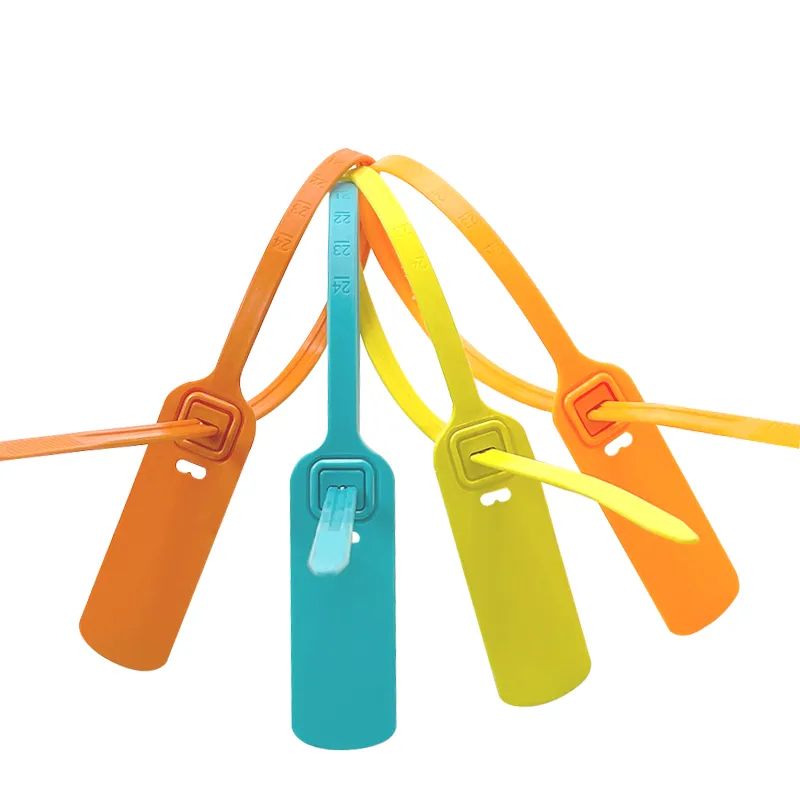
Understanding Lead Seal Fundamentals: Material, Function, and Regulatory Context
What Defines a True Lead Seal? Composition, Crimp-Indicating Mechanism, and Industry Standards
A true lead seal uses lead or lead-based alloys as its core material—valued for exceptional malleability, which enables a reliable, irreversible crimp upon application. This crimp-indicating mechanism delivers immediate visual tamper evidence: any removal attempt causes permanent deformation, making compromise unmistakable. ISO/PAS 17712:2023 codifies this principle, mandating design features that prevent reuse or undetected transfer. While lead-free alternatives are increasingly common, traditional lead seals retain niche utility where their ductility, cost-efficiency, and proven field performance remain operationally advantageous.
Regulatory Landscape: Where Lead Seals Are Still Permitted vs. Phased-Out (EU RoHS, UK, US EPA, ISO/PAS 17712)
Lead seals face tightening regulatory scrutiny—particularly under the EU RoHS Directive, UK environmental regulations, and the US EPA’s Toxic Substances Control Act—all of which restrict lead content in consumer and industrial products. However, targeted exemptions persist for legacy infrastructure and applications where no technically equivalent alternative meets security or durability requirements. Crucially, ISO/PAS 17712:2023 evaluates security performance—not material composition—so lead seals remain permissible where local law allows, provided they meet minimum tensile strength (>10 kN) and tamper-evident functionality criteria. Buyers must verify jurisdiction-specific allowances before procurement or deployment.
Lead Seals for Utility Meters: Balancing Tamper Evidence, Compliance, and Smart Infrastructure Needs
Critical Performance Criteria: Irreversible deformation, visual tamper evidence, and compatibility with AMI/AMI-ready meters
For utility metering, a lead seal must deform irreversibly at closure—ensuring tampering leaves unambiguous, field-verifiable evidence without requiring meter disassembly. Visual indicators—such as fractured lead surfaces, displaced numbering, or broken locking teeth—are the frontline defense against unauthorized access. As grids adopt advanced metering infrastructure (AMI), seals must coexist seamlessly with optical ports, RF antennas, and communication modules. Modern lead and lead-composite designs integrate precise tensile break points (typically 25–45 N) and low-profile geometries to avoid interference while enabling rapid technician verification. This functional integration—mechanical integrity without operational disruption—is non-negotiable for scalable smart meter programs.
Real-World Adaptation: Lead-composite and lead-free alloy seals in smart meter deployments (e.g., UK National Grid, 2021–2023)
Utilities are increasingly transitioning to lead-composite and lead-free alloy seals to align with environmental mandates without sacrificing security. Between 2021 and 2023, UK National Grid deployed over 12 million composite-based seals across its smart meter program. Engineered to replicate the irreversible deformation behavior of pure lead, these seals reduce lead content by up to 95% while maintaining RoHS compliance and enduring thermal cycling, UV exposure, and mechanical vibration typical of outdoor meter cabinets. Field analysis showed no statistically significant increase in false tamper alerts versus legacy lead seals—confirming that performance parity is achievable. These deployments demonstrate how modern materials uphold billing integrity, theft deterrence, and AMI interoperability simultaneously.
Lead Seals for Container Sealing: Load Ratings, Cable Specifications, and High-Security Validation
ISO/PAS 17712 Compliance Essentials: Why Cable Diameter (2.0–3.2 mm) and ≥10 kN Tensile Strength Matter for Lead Seal Suitability
ISO/PAS 17712:2023 defines the global benchmark for high-security container seals—requiring cable diameters between 2.0 and 3.2 mm and a minimum tensile strength of 10 kN. These specifications are not arbitrary: the narrow diameter range resists compression-based attack tools, while the 10 kN threshold exceeds typical manual tampering force by more than threefold—validated against CBP cargo theft incident data. Together, they create a calibrated physical barrier against bolt cutters, hydraulic spreaders, and other common freight theft methods. Critically, for lead-based variants, the alloy must retain ductility at low temperatures and resist cold-flow under sustained load to preserve certification integrity. With 58% of cargo theft occurring during transit (TT Club, 2023), adherence to these metrics directly mitigates supply chain risk.
Selecting the Right Lead Seal: A Decision Framework for B2B Buyers
To choose the right lead seal, start by anchoring your decision in the primary use case—utility metering or intermodal container sealing—as each imposes distinct mechanical and compliance demands. For meters, prioritize irreversible deformation, clear visual tamper evidence, and full compatibility with AMI hardware (e.g., no obstruction of optical sensors or wireless antennas). For containers, validate ISO/PAS 17712 compliance: confirm cable diameter (2.0–3.2 mm) and tensile strength (≥10 kN), and ensure the seal’s material retains integrity across temperature extremes and mechanical stress. Next, assess environmental exposure—outdoor, marine, or corrosive settings favor lead-composite or polymer-coated alloys to prevent embrittlement. Always verify regulatory acceptance: check for RoHS exemptions, UK DfT guidance, or EPA TSCA allowances relevant to your jurisdiction. Finally, optimize for operational efficiency—look for user-centric features like adjustable lengths, pre-scored removal lines, and traceability elements (laser-etched serial numbers, GS1-compliant barcodes). Balancing these factors against your risk profile and budget yields a solution that delivers verifiable security, long-term reliability, and audit-ready accountability.
FAQ
What makes lead seals tamper-evident?
Lead seals exhibit tamper evidence through irreversible deformation upon application or removal. Attempts to bypass them result in visible damage, such as fractured surfaces or displaced numbering, making detection easier.
Are lead seals still legal under global regulations?
Lead seals are increasingly regulated but are permissible in jurisdictions with specific exemptions for applications like legacy infrastructure or specialized uses. Buyers should check local laws and compliance requirements, such as EU RoHS, UK standards, and US EPA guidelines, before use.
What is ISO/PAS 17712 compliance, and why is it relevant?
ISO/PAS 17712 compliance sets global standards for high-security seals, including tensile strength and tamper-evident functionality. It is critical for container sealing to ensure cargo safety during transit.
How do lead seals integrate with smart meters?
Lead seals for smart meters are designed to avoid interference with optical ports or RF antennas while providing field-verifiable tamper evidence. Modern designs also include adjustable tensile break points for specialized applications.
Are lead-composite or lead-free seals effective replacements?
Yes, lead-composite and lead-free seals can replicate the performance of traditional lead seals while meeting environmental mandates. These alternatives maintain tamper evidence and operational durability in various conditions.
Table of Contents
- Understanding Lead Seal Fundamentals: Material, Function, and Regulatory Context
- Lead Seals for Utility Meters: Balancing Tamper Evidence, Compliance, and Smart Infrastructure Needs
- Lead Seals for Container Sealing: Load Ratings, Cable Specifications, and High-Security Validation
- Selecting the Right Lead Seal: A Decision Framework for B2B Buyers
- FAQ