 EN
EN

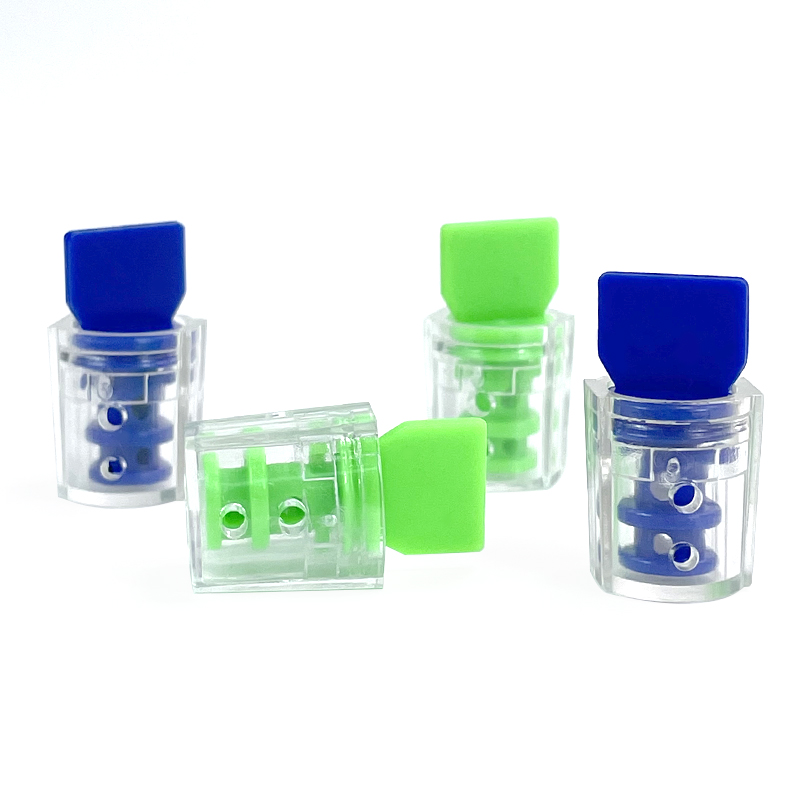
Lead Seal Applications in Energy and Utilities: Meeting Regulations and Providing Tamper Evidence
Meter Sealing of Electric, Water, and Gas Networks
Lead seals are critical devices for securing electric, water, and gas utility meters. These seals are constructed with a wire that threads through meter housing or access panels. Any attempt to access the interior of the meter requires cutting the wire or damaging the seal, both of which would leave visible evidence of the tampering. These tamper evident seals are also effective in meeting regulatory compliance for utility tampering. It is estimated that tampering of utility meters by the global energy sector costs over $740 million each year (Ponemon Institute, 2023). Plastic seals are not as effective as a lead seal. Lead seals are able to conform to irregular surfaces, while retaining integrity, in outdoor environments, where plastic would degrade and lose its sealing ability.
Case Study: Deployment of Lead Seals by National Grid UK with ISO/IEC 17025 Validation
The largest energy distributor in the UK has deployed ISO/IEC 17025 validated lead seals on its metering systems as a solution to its revenue protection issues. This enabled the organization to standardize its serialization of seals and allowed the creation of a digital audit trail to correlate seals to specific metering devices and locations. These seals also enabled a visible inspection mechanism. Field audits showed a reduction in tampering by 60% in 18 months. The combination of evidence of tampering and visible inspection mechanism contributed to the dual security and compliance mechanism. It has helped the organization to reduce the costs of compliance verification in its large utility network.
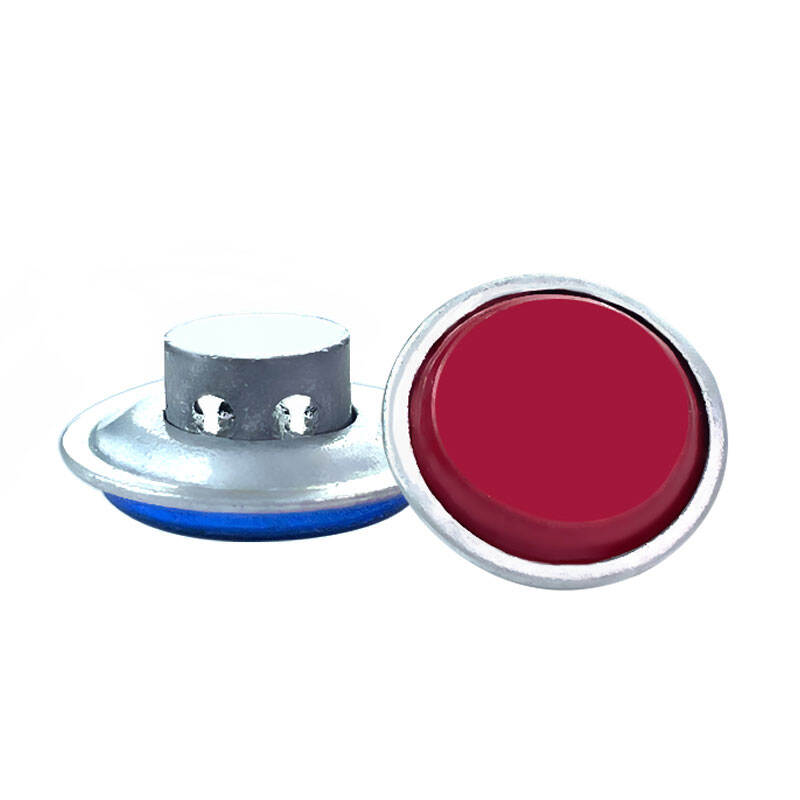
Lead Seal Use in Transportation and Logistics: Securing Freight Across Global Supply Chains
Tamper-Evident Container and Railcar Sealing Under the IMO and UNECE Frameworks
International shipping regulations demand strong evidence of tampering in order to protect cargo from theft, contamination, and unauthorized access. The International Maritime Organization (IMO) and the United Nations Economic Commission for Europe (UNECE) require high-security seals on containers and railcars that cross borders. Lead seals satisfy the mechanical and environmental needs of long-distance freight, providing a permanent, non-reusable means of indicating tampering. When closed, the seal cannot be opened without evidence, leaving marks that are easy to see and will be immediately detected by inspectors. Lead will conform to locking mechanisms and seal will be robust enough to withstand the environmental rigors of ocean and land transit. Compliance to ISO 17712:2013 is achieved with lead based designs and testing. By using lead seals in their services and offerings, logistics operators will be compliant with IMO's ISPS Code and UNECE's Customs Convention, which means they will see less risk of fines and delays and more protection of cargo in their global supply chains.
Why Lead Seal Remains Preferred: Material Performance in Harsh Industrial Environments
Corrosion Resistance, Thermal Stability, and Mechanical Reliability vs. Plastic Alternatives
Lead seals are the preferred option over plastic in environments that are both corrosive and thermally extreme because of their chemical use and their chemical stability. Unlike plastic which can degrade in environments with acids, alkali, or salt spray, lead can maintain its integrity for decades of service; this is why lead is the main preference for coastal utilities, chemical processing plants, and underground metering vaults, while plastic seals would embrittle or swell. Lead seals maintain their integrity in extreme environments where polyethylene and nylon seals can become soft, warped, and brittle. The difference in malleability between Lead and plastics means Lead can fit into uneven spaces better, and can create an airtight closure that is very evident of tampering. Plastic alternatives may crack under repeated vibration or impact, lead absorbs shock without fracturing. In high-pressure hydraulic environments, lead holds its shape under substantial loads, avoiding the creep deformation that is common in elastomers. This means that lead seals are industry benchmarks for corrosive and thermally extreme environments.
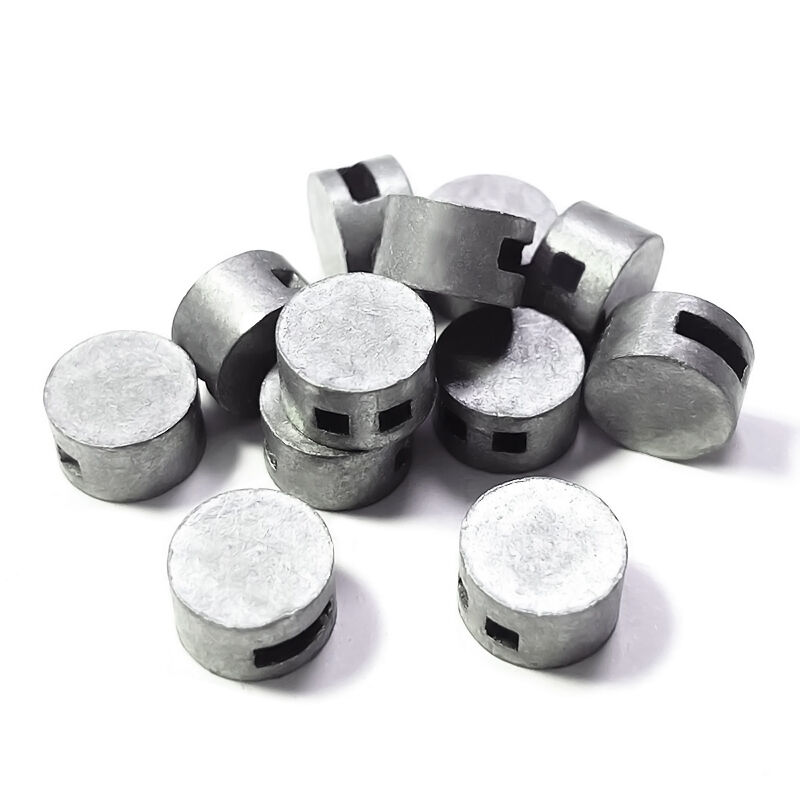
FAQ
What are lead seals used for?
Lead seals are used in the utilities, transport, and logistic industries as tamper evident seals. They supply evidence of tampering which ensure that companies are meeting regulations and requirements for operation.
Why are lead seals better than plastic seals?
Lead seals are more effective than plastic seals in harsh environments due to their corrosion resistance, their ability to withstand high and low temperatures, and their reliability. Plastic seals cannot endure extreme temperatures or harsh conditions.
Do lead seals comply with international regulations?
Yes, lead seals comply with the ISO 17712:2013 standards for high-security seals as well as the frameworks of the International Maritime Organization's (IMO) International Ship and Port facility Security (ISPS) Code and the United Nations Economic Commission for Europe (UNECE) Customs Convention.
Do lead seals perform well in extreme environments?
Yes, lead seals perform well in extreme temperatures, harsh corrosive environments, and areas where there are high levels of mechanical stress. Therefore, lead seals can be used in sectors such as utilities and transportation.
In what ways do lead seals prevent tampering?
Lead seals can provide evidence of tampering because if someone breaks the seal, there will be obvious signs of damage. This will prevent unauthorized access to meters or sealed containers/freight.