 EN
EN

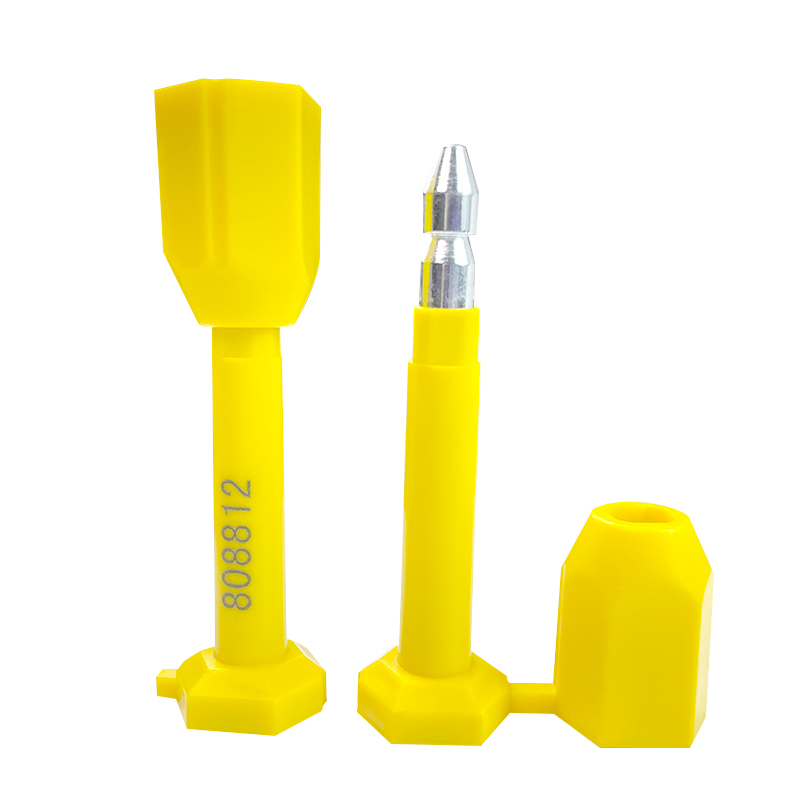
Tamper Evident and Tamper Resistant Design
Security seals used on containers incorporate designated breaking points to give instant and obvious indications that the seal has been disturbed. Bolts will shatter if cut or twisted, stickers show massive red 'VOID' messages or 'UR WITNESSED' alerts upon removal. These features are used to collect evidence to protect against the bad stuff getting into the marketplace. These seals are designed to prevent the bad stuff from getting into the marketplace to keep it from moving around. These seals confirm to ISO 17712 that states these seals must withstand at least 15 kilo-Newtons (KN) of pull force, but must fracture below that load. It provides that ideal balance of being robust for the shipping process without being too tough and allowing for unauthorized access to the seals. Normal handling of the seals will not go off but tampering will hide nothing. It is this level of simplicity that provides great confidence to logistics managers when they can perform quick checks at any moment.
Cargo Security Analysts say that the approach has led to around 23 percent reduction in theft cases based on real world data.
When we talk about global supply chain risk management, we can make a clear distinction between a single point of supply chain risk management and both extended and differentiated points of supply chain risk management.
Tamper-evidence and tamper-deterrence features of the supply chain risk management system have distinct and special roles in the layered security strategy.
Tamper-evident systems focus primarily on detection, rather than prevention. They do not stop intrusions. Instead, they provide clear, permanent evidence of an intrusion, often in the form of a broken bolt head or a revealed void message, that allows for a timely response and holds someone accountable for an audit.
Tamper-resistant systems focus primarily on delaying and deterring. Reinforced housings, hardened alloys, or locking mechanisms that utilize more than one point increase the time, skill, and tools needed to achieve a breach, thereby increasing the operational risk for the intruder.
Smart logistics managers intentionally utilize these security measures. Tamper-evident seals satisfy the challenging C-TPAT documentation requirements and provide clear audit trails that can be verified by anyone. Also, tamper-resistant features are specifically designed to deter thieves from accessing containers, particularly in the high theft areas along ports or inland transportation hubs where cargo is frequently moving. The 2023 Transport Security Data states that this combination addresses 92% of cargo theft. Seals are evidence, helping investigators piece together the events, while the barriers reduce theft and the chances of a successful attempt.
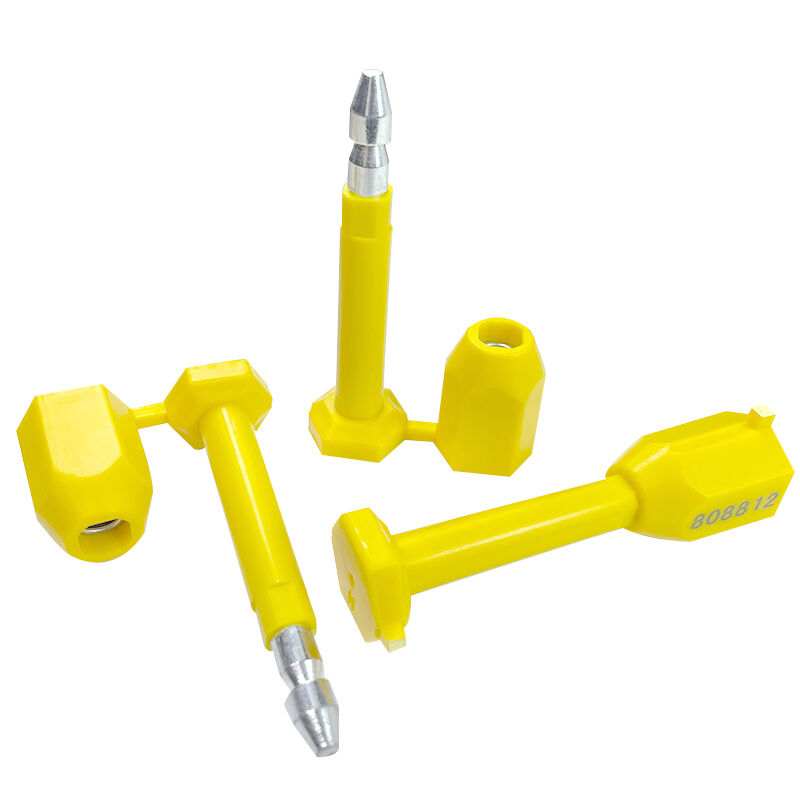
ISO 17712 Compliance and High-Security Certification
Mechanical performance thresholds: tensile, shear, bend, and impact resistance per ISO/PAS 17712:2013
Mechanical performance thresholds of high-security container seals are interdependent requirements, not isolated in nature, according to ISO/PAS 17712:2013. To achieve this classification, a seal must achieve the following thresholds simultaneously:
- 18,000 N tensile strength to withstand pull-out forces during forced separation;
- 14,000 N shear strength to resist bolt-cutting;
- 2,500 N bending strength to prevent deformation; and
- 3,000 N impact strength to endure shock loads from drops or impact.
Seals that qualify must pass all four tests. Independent third-party laboratories have verified compliance, and certified manufacturers are subjected to yearly audits of their facilities for consistency. Materials are validated with tests at real-world thermal extremes to ensure that performance will not degrade during transit. This includes accelerated aging tests spanning from -40 to +85 degrees Celsius.Regulatory impact of high-security classification for C-TPAT and EU AEO compliance.
Companies wishing to gain entry to trust trader programs must obtain ISO 17712 certification. Compliance with the high-security seal requirements of the C-TPAT program administered by the U.S. Customs and Border Protection (CBP) is mandatory for sealing and securing cargo to be imported to the U.S. Companies achieving compliance with the C-TPAT requirements experience a 72% reduction in inspections, according to a U.S. Customs and Border Protection agency report for 2022. Similarly, companies in Europe that obtain AEO status must have ISO compliant seals to receive expedited clearance and to enjoy reduced levels of border intervention and inspections. Significant issues occur when companies neglect these requirements. Shipments are automatically classified at lower levels, resulting in border delays of 48 hours or more and an average $7,500 fine for each container. Additionally, these seals are compliant with the container security requirements of the International Maritime Organization's (IMO) SOLAS Protections. Reports indicate that certified seals are associated with a 34% reduction in the loss of goods, and demonstrate the positive impact of compliance.
Material Integrity and Environmental Resilience
Harsh conditions and materials testing require a high security seal. Harsh conditions like impacts, twisting, vibrations, and temperature extremes ( -40 to 80 degrees Celsius) with direct sunlight, salty air, freezing conditions, and a host of industrial chemicals. For example, special marine grade stainless steel alloy seal tests 3x longer than regular extending than usual. Our seals materials like marine grade stainless steel seal coupled with special polymers that flex and retain shape to low arctic conditions. Our seals have been tested hundreds of thousands of high manipulative cycles without failure of the inner latching mechanism. Without prior warnings, seals will fail to provide fail in order to delay material failure without harsh environmental conditions.
The criminals that do cargo theft are aware that the degradation processes that happen over time create a gap in security that they are able to exploit. In fact, roughly one-third of cargo theft incidents are the result of security systems being compromised, as cited by recent industry reports. In order to meet these rigorous standards, manufacturers have to perform extensive testing that speed up the processes of wear and tear and simulate a decade worth of use in just a few short weeks. In addition to testing the samples against different types of chemicals and industrial solvents to determine the level of chemical resistance.
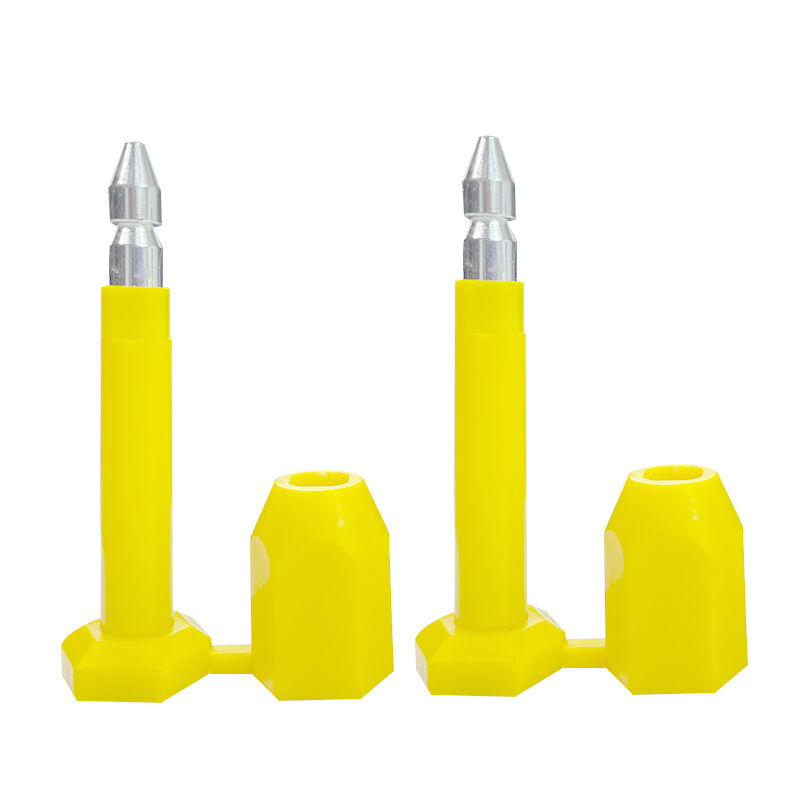
Traceability, Serialization, and Digital Integration
Traceability, unique serial numbers, and bar code/RFID integration
Modern shipping seals don’t just block access, they provide data about where they are in a shipment. They spray seals with a special coding technique, a digital fingerprint, to ensure there are no copies. This tracks the seal throughout the entire distribution chain - from the factory to the end customer. Many premium goods manufacturers incorporate barcodes or an RFID inlay within the seal. This enables warehouse employees to perform a contactless scan to ‘lock’ the seal at the loading dock, customs, or store without manually removing and re-sealing the shipment. The company receives an access log detailing who serviced the shipment, which simplifies auditing and regulatory compliance with global trade and customs control.
Traceability, Annex B of ISO 17712, creates the foundation for codified requirements for certification for manufacturers detailing the following requirements:
Documentation for the source of materials,
Identifies production batches,
Verified handoffs in the distribution chain.
The Supply Chain Security Analyses found that end-to-end accountability reduces counterfeit seal infiltration by 63%. Seals that are individually serialized provide easier customs clearance, improve C-TPAT validation, and enable automated systems to identify anomalies (e.g., duplicate seal numbers and out-of-sequence deployments). This transforms seals from a passive security measure to an active intelligence tool.
FAQ
What is ISO 17712 compliance? This compliance means a seal has met the international standards and requirements for high-security seals used in international cargo shipments that pertain to the materials and design of the seal.
How do tamper-evident features work? These features alert the user when a security seal has been compromised and shows visible proof of tampering, such as a “VOID” message or broken bolts, for example.
What is the difference between tamper-evident and tamper-resistant? Tamper-evident means a seal has been compromised and shows visible proof of tampering. On the other hand, tamper-resistant means the design has been used to delay and deter unauthorized access and makes it difficult to breach the container.
Why is material integrity important for security seals? It is important for seals to perform consistently. Seals are used in various environmental extremes and are subject to different kinds of physical impacts due to different means of transport.