 EN
EN

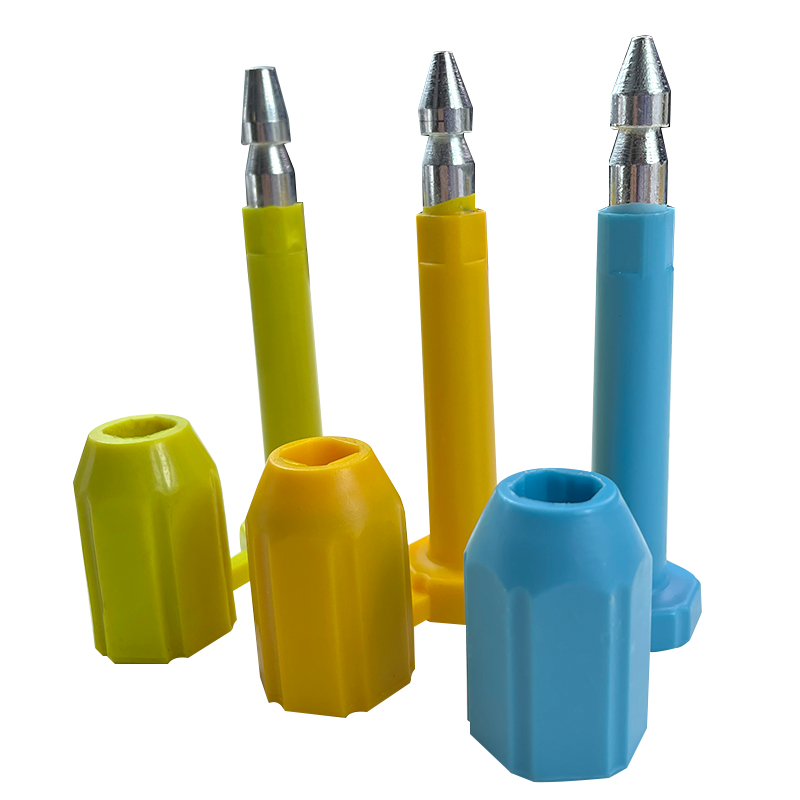
Why You Cannot Negotiate ISO PAS 17712 Standards for High-Security Bolt Seals
Strength, Tamper Evidence, and Testing H-Class Parameters
Bolt seals of class H for ISO PAS 17712 must withstand 5000 newtons of pull force and must meet severe requirements for evidence of tampering. Seals of this class go through public destructive testing for shear resistance (minimum 2500 newtons), impact testing for 1.8 m drops, and resistance to tampering by sawing and or bending, done by independent accredited testing labs. Environmental testing includes UV degradation, thermal cycling from -40ºC to 85ºC, and salt spray corrosion. Evidence of tampering must be apparent. Any attempts to breach a seal must result in irreversible damage (deformed seals or metal shavings and components) and must have distinct identification on each seal that can be traced to an audit line. Any batch testing must be done unannounced to maintain the consistency of the production. This is why H-class compliance is critical in protecting high-value cargo.
Gaps in Real World Applications
Just because a product is lab certified, does not mean that it is strong enough for the real world. The to and from the ports of 2023 audits showed that vibration fatigue from rail transport accounted for 23% of the failures of the seal in a real world scenario. Another failure point was the marine air corrosion that degraded seals. Even seals that have the correct certifications can not stand up to the real world due to improperly fitting hasps during the initial installation. Supply chain managers are tasked with close field seal testing and of the seals used in the analyzed corridoors of high theft to low theft, in order to close the gaps.
Integration of Bolt Seal Choice with Risk Profile and Legal Standards
C-TPAT, EU AEO, and WCO SAFE Frameworks: Bolt Seal Standards Specified by Legislation
Each framework governing security in international trade presents unique bolt seal specifications. Most notably, C-TPAT compliance demands seal warranties that are limited to ISO PAS 17712 class H seals and fully auditable documentation compliance. In Europe, the Authorised Economic Operator (AEO) requires verification of mechanical performance, including a minimum tensile strength of 2,000 lb seals, and the seal must have robust evidence of having been tampered with to support the claim. Additionally, the WCO SAFE Framework requires seals to have a unique, non-duplicable identification to support traceable evidence throughput the entire seal. Non-compliance to any of these frameworks not only results in setbacks, but also can lead to financial penalties. During 2023, U.S. Customs and Border Protection issued fines of $10,000 per infraction for a lack of documentation or misalignment of specifications with sealing to border protection. These penalties serve to illustrate that the determination of bolt seal specifications for international shipments must comply with the governing frameworks and are not open to negotiation.
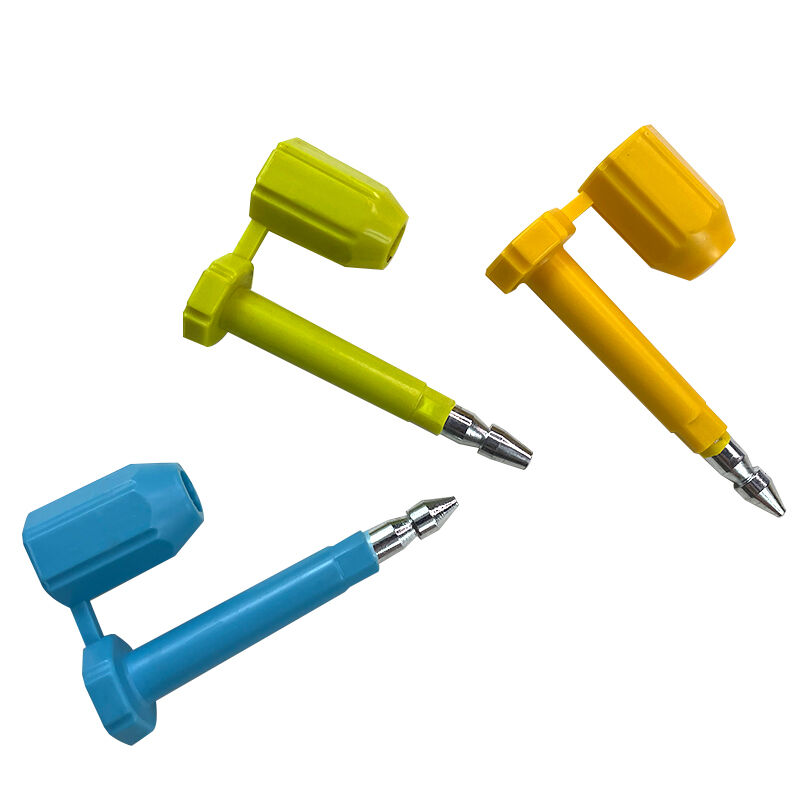
Practical Risk Assessment: Bolt Seal Defense Level in Relation to Value, Route, and Threat Exposure
The determination of effective bolt seals must be commensurate with the risk in these key areas, which are inter-dependent. The matrix below provides the breakdown of these areas.
Cargo Value, Route, Threat Scenario Example Description
High-Risk > $500,000 shipments
- Transit goes through high-theft zones
- Frequent repeated hijacking attempts
- (Dual-stage locking) H-class Bolt seals
- Anti-picking pin
- Trackable RFID
For standard seals to be placed on low-value domestic shipments is acceptable. However, sealed shipments classified as luxury goods, pharmaceuticals, and electronic products must have tamper evidence that is forensically graded and, a barrel of hardened construction. Route mapping tools can derive and indicate geographic choke points, where the addition of seal features is of the utmost importance. This method prevents both over and under protection of seal value, ensuring that protection standard sealed shipments derive value.
Assessing Physical Design and Tamper-Proof Features of Bolt Seals
Line of Defense: Soft vs. Hard vs. Varying Degrees of Tamper Proofing Mechanisms
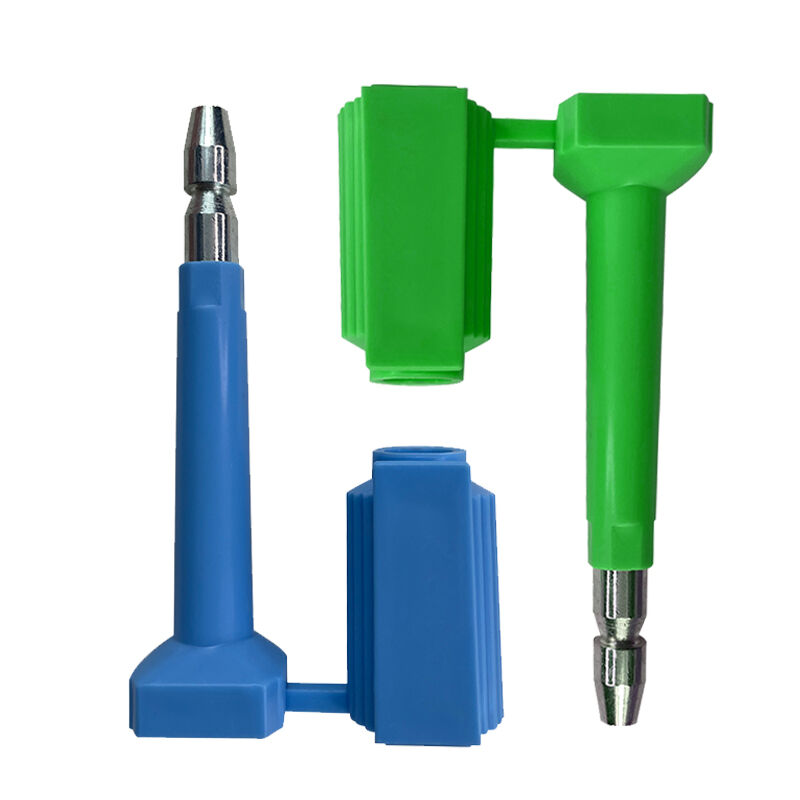
The integrity of high-security bolt seals stems from three essential components. The pillar bankers face rigidity which allows them to stand short against drilling and grinding, and are made of steel that is Rockwell C50+ or harder. The integrity of high tensile steel pins is dependent on them and is 6000 lbs or greater in shear strength which prevents cutting or bending from leveraging. Lastly, the pin is meshed and the mechanism is held together by internal, non-reversible bearings or teeth that, upon sealing, produce an irreversible and visible dimple to the head. A Bolt Seal may show obvious signs of positive intrusion, such as metal shavings or a head that is asymmetrically molded or a barrel that is cracked. Collectively, these elements create a forensic system of evidence that is easy to identify in the field. The absence of these features is an indicator that the bolt seal is of a lower class which may, in part, be compliant with ISO PAS 17712 H-Class and may constitute a greater risk of target or opportunistic theft of cargo beyond simple vandalism.
Understanding the Seal's Trustworthiness: Bolt Seal Manufacturer and Vendor Research
Trustworthiness: SGS, Bureau Veritas and other ISO-accredited bolt seal certification and test report interpretation
When seal integrity is in question, the report from an independent lab is one of the few ways to confirm it. This is especially true of large auditing firms. SGS and Bureau Veritas are large auditing firms that contract independent testing for services that can be verified and audited against ISO PAS 17712 and other standards for testing of bolt seals. In reviewing these reports, there are 3 primary criteria that should be your focus.
1. The lab's audit report should show either an active or recently expired supremacy in auditing ISO 17025 for mechanical and non-mechanical (environmental) testing covering the applicable scope of testing.
2. The testing should be done in a documented and complete manner. Testing should be done on multiple fronts (shear, impact, corrosion, and/or UV exposure) rather than just demonstrating the tensile strength of the test.
3. The report should be newer than 12 months since testing, which means that the report should describe the current production and batch of components.
When verifying documentation, always check certification numbers against the relevant issuing authority to avoid confirming counterfeited documents.
Best Practices: Hasp Alignment, Correct Tensioning, and Digital Records of Bolt Seal Deployment
Bolt seals, even at the highest certification levels, will fail if they are not used correctly. Hasp alignment must be parallel to the container doors to prevent lateral shifting, which causes rapid fatigue and makes the bolt seal vulnerable to being pried open. Tension should be set to 80-90% of the seal's rated capacity: if the seal is set too loosely, it can be tampered with; if set too tightly, microfractures can occur, leading to premature failure. Digital records of seal deployment improve accountability. Integrate deplyment records with TMS or blockchain-secured systems, capturing GPS-tagged images of sealed bolt locks, timestamped records of seal deployment, and real-time confirmations of the unique ID to manifest. This will create an unalterable audit log, which, according to the logistics transparency survey from 2023, reduces disputes regarding seals by 47%. This allows bolt seals to be transformed from passive components to active security systems.
FAQ
What are ISO PAS 17712 H-class bolt seals?
H-class bolt seals are the newest at the top of the security level up to the tamper-evidence standards, of which a high-security seal is used to protect high-value cargo.
Why is laboratory certification not enough for a bolt seal?
Laboratory certification is important but it does not account for the real-life factors of an environment which can lead to seal failure, such as vibration fatigue or an improper installation, which is not covered by laboratory testing.
What happens if bolt seal rules are not followed?
Inadequate seal documentation or specification mismatches can incur penalties of up to $10,000 per violation. Additionally, not complying with global trade security regulations such as C-TPAT or EU AEO guidelines can result in hefty fines.
What is meant by risk-based bolt seal selection?
A risk-based approach for bolt seal selection includes assessing the potential value of cargo, the vulnerability of the route to attacks, and the frequency of threats, so as to not compromise on protection, or to overly engineer the security.