 EN
EN

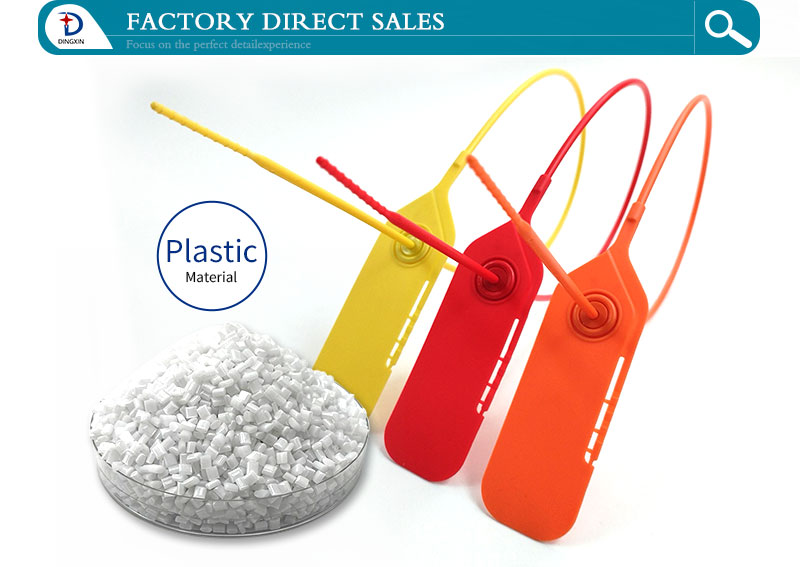
Aligning the Types of Plastic Security Seals with Application Risk and Workflow Requirements
Light-Duty vs. Heavy-Duty Plastic Security Seals: matching cargo, utility meters, and logistics tote boxes
Choosing the type of security seal depends on the threat exposure and level of operation. Light-duty plastic seals are available with a break strength of 25 to 50 lbs and are low risk. Heavy-duty seals have a break strength of 75 to 150 lbs and are intended for high-risk cargo where the seal is protected for an extended time and is subject to high risk of tampering. An analysis of industries perceived mismatched security levels to over 37% of theft losses. As more security seals are justified, more theft is experienced. Heavy-duty security seals are used for most pharmaceutical cargo and are international ISO 17712 ‘H’ grade compliant. For other cargo, such as warehouse totes that are to be used multiple times and across sites, a light-duty plastic security seal with an immediate application and removal is used. This provides the needed evidence of tampering and is economical.
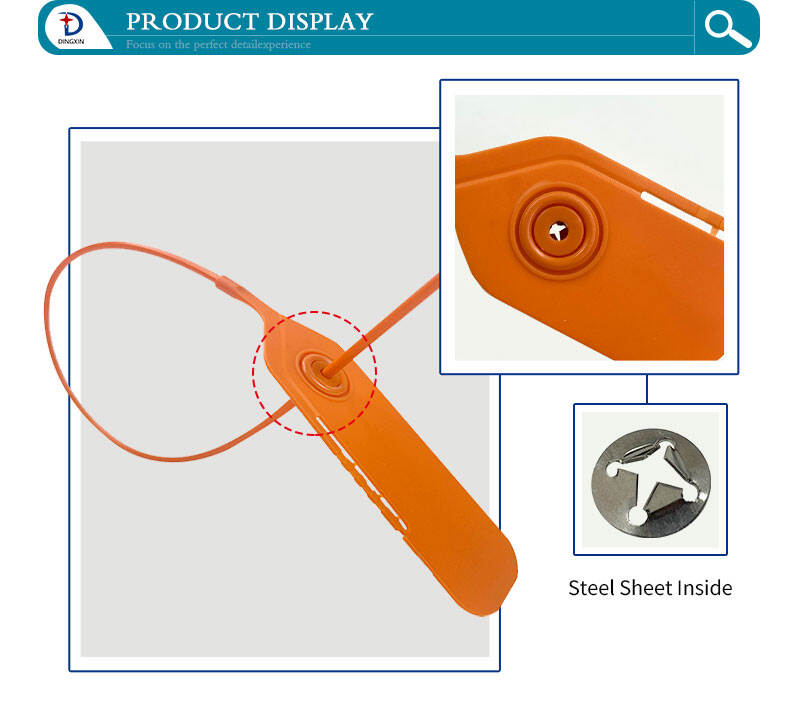
Pull-tight, double-lock, and metal-core plastic seals are functional variants, designed to be cost-effective, as they impact labor time and are reusable.
Functional design significantly influences operational efficiency and lifecycle economics. An example of this is with pull-tight plastic security seals. They can be installed with a single motion in under three seconds, which is a great design choice for seals that will be used in high volume logistics, but they do not allow for re-tensioning. To add a secondary resistance to tampering in environments like bonded warehouses, double locks become preferable, but this mechanism takes 40% longer to apply. For a bolt-seal level of security, metal-core variants contain steel cables in polymer bodies and weigh 30% less than more traditional metal options. Despite being a more secure option, a metal-core seal remains a single-use seal. This relates to scale of mass sealing operations, in which pull-tight designs are cheaper, and given that metal-core options are designed to be more secure than seals, they will be more cost-effective than pull-tight designs.
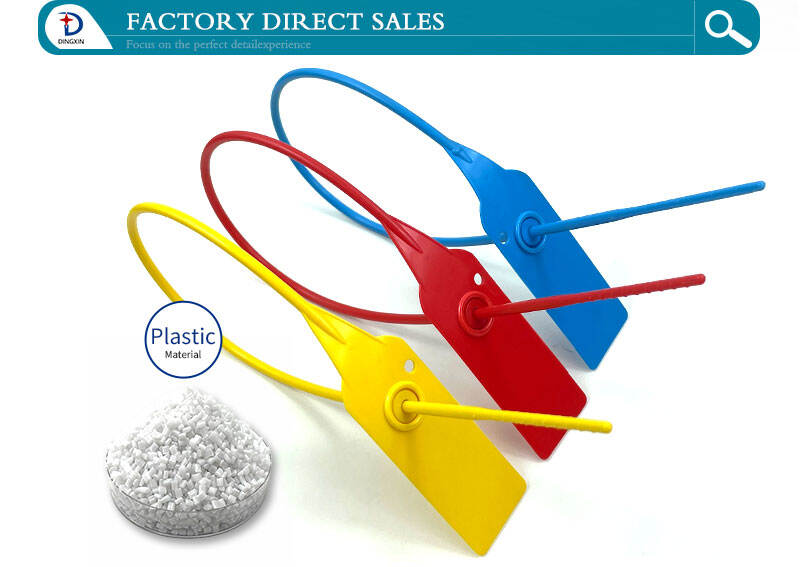
Assessing Performance-Critical Metrics to Maximize ROI on Plastic Security Seals.
Break strength (25–150 lbf) as a proxy for deterrence: balancing security assurance with ease of application and field failure rates
Break strength is a great indicator of tamper deterrence, but is not the only determined factor for seals actual performance in the field. Stronger seals (100–150 lbf) resist entry and are considered high strength but the installation force and specialized tools that are needed increase training and error risk. Weaker options (25–50 lbf) are easy to apply, as they don’t require any tools, but they are more likely to fail from excessive force or from changes in temperature. 17% of seals fail during transit due to improper strength matching, which is the result of improper seal strength selection based on perceived or actual threat levels or the force that the seal is expected to endure. These strategies for selection are estimated to yield a 22% increase, when compared to the total cost.
Tamper evidence beyond breakage: serialized numbering, color-coding, dimensional uniqueness, and ISO 17712 compliance as cost avoidance enablers
Increased durability of tamper evidence turns plastic seals from closures to forensic aids, as Serialized numbering along with color coding allow traceability and quick breach verification through supply chain networks. Interchanging dimensional characteristics through micro engravings and patented cross sectional designs impede counterfeiting. Shear, tensile, and environmental compliance through ISO 17712 regulated standards ensures simplified Audits. These factors combined, plastic seals reduce breaches simultaneously lowering financial loss from undetectable breaches, and are cost avoidance measures.
Select Materials and Environmental Specifications for Long-Term Durability and Waste Reduction
Plastic Security Seals Collated from PP, HDPE, and Nylon: case studies of their Unintentional Breaking from UV, low temperatures and shipping degradation over Global Supply Chains
Longevity and environmental sustainability are both dependent on material selection. Polypropylene is cost effect but only moderate UV resistance studies reveal net breaking after 2 years. HDPE is better suited for extreme low temperatures of –40 C compared to PP that will break. Nylon is better UV stabilized and retains 95% tensile strength after 5 years in the sun, but cost is increased by 30%
Consider these critical performance metrics:
Material UV Resistance Low-Temp Threshold Avg. Lifespan Waste Reduction Potential
PP Moderate –20°C 2 years Medium
HDPE High –40°C 3–4 years High
Nylon Exceptional –30°C 5+ years Highest
In high theft areas or outdoors, HDPE and nylon help seal or limit replacement. Seal life means waste. Waste Reduction Potential is significant design. Cold chain applications protect materials from microfrature repeat handling.
Most PP and Knife Seals maintain their design even in areas of high utility.
Nylon design (–30°C, 5+ years) reduces the need for replacements.
Does plastic come in different colors?
Yes, but you have to have a minimum of 50J using any caps to obtain any customization.
How cold does a truck have to be to ship a load?
In 49 CFR a truck cannot be considered 'cold' unless it is below a mean of -25°C.
How does the design of the closures affect the seals' closing mechanisms?
Utility closures close using a friction closure, but Knife seals employ a stronger snapping closure.
What are the requirements for ISO 17712 compliance, and what is its purpose?
ISO 17712 compliance means that certain types of plastic security seals conform to the specified testing requirements pertaining to tensile, shear, and environmental resistance. This allows third-party verification to be seen by auditors during regulatory inspections, and guarantees a high level of performance.