 EN
EN

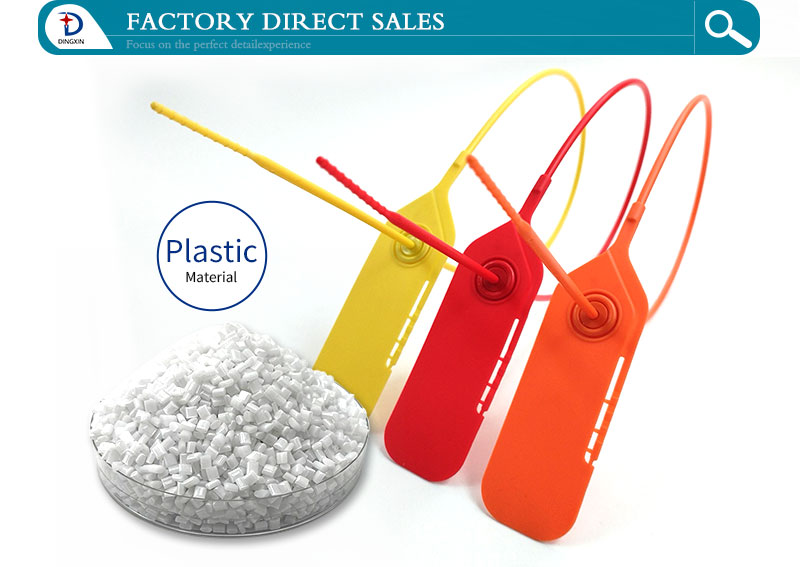
Seals That Deter Tampering and Guarantee Chain-of-Custody
Tampering is evidenced always and visibly.
Security seals provide clear signs of tampering and unauthorized access with specially designed frangible components that break when tampering occurs and provide visible evidence in the form of breaks, color changes, and separation patterns. This evidence cannot be hidden, and therefore, cannot be ignored. Modern seals, validated under industry standards, reach tampering detection rates of 98%. These seals accomplish detection when tampering occurs and never fail under tampering force.
Accountability in Customs, Logistics, Healthcare and Utilities
Serialized plastic seals create demonstrable accountability at each handover and serve as the foundation for chain-of-custody documentation in global supply chains. Unique numbers are recorded at each handover, and the shipment is traceable from the point of origin to the final destination. In the transport of pharmaceuticals, these seals maintain the integrity of a sterile barrier and prevent the contamination of the products and help satisfy the requirements of the regulatory authorities. Utility systems place sealed meters to settle billing disputes, providing evidence of access. Customs agencies require these seals for the inspections of containers for international transport under the regulations of C-TPAT and ISO 17712, and these seals result an auditable trail that reduces theft cases by an average of 67% in comparison to sealed shipments.
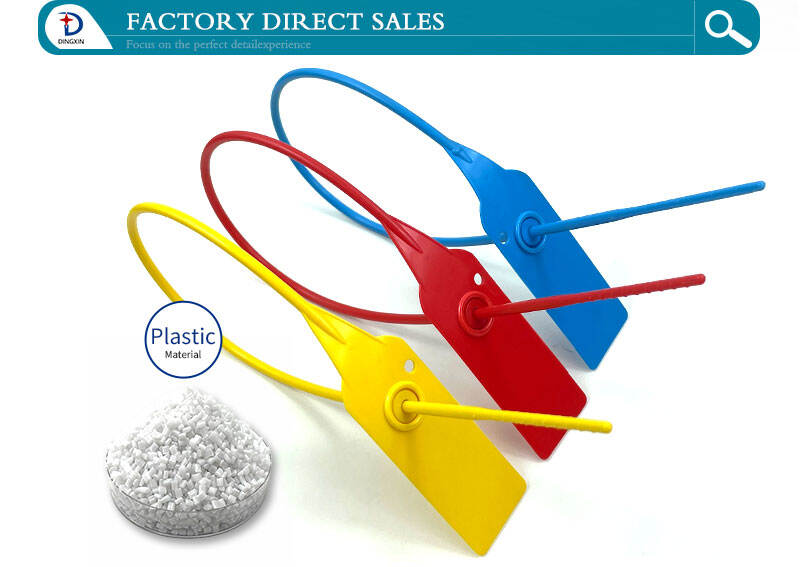
Customizability and Cost-effectiveness of Plastic Security Seals
Plastic security seals are versatile and adaptable, providing excellent cost advantages over metal and electronic alternatives. This is attributed to the lower cost of materials, shorter time of deployment, and absence of the need to build facilities from the ground up.
Lower TCO vs. metal and electronic alternatives: material, labor, and integration savings
Material costs: Plastics cost 30–50% less compared to equivalent metals per unit.
Labor efficiency: Installation of the systems takes 60% less time than electronic systems.
Infrastructure: No IoT integration, power sources, or application software are needed.
Assembling a large quantity of systems becomes cost-effective and can be done quickly, due to bulk production.
Customization of the systems according to the needs of different industries. Different colors, logos, shapes, and the possibility to add numbering for traceability are options.
The systems can be customized according to the needs and regulations of different industries.
For industries that are regulated: the systems can be customized in a way that they have unique numbers that help keep track of audit information that is ready and provides evidence that the information is compliant to ISO 17712.
For the Logistics industry: Highly visible colors like fluorescent orange and safety yellow can be used to help facilitate fast verification.
For Brand protection: Logos, holograms, and customized text that can be used to deter counterfeiting and enhance authenticity can be embedded in the systems.
Automated application systems deploy either standardized seals or uniquely serialized seals at speeds of over 500 units/hour, thus meeting the requirements of high throughput seal application.
PP Plastic Seals in Demanding Environments
For proof of ISO 17712 seal, it can be subjected to extreme heat, UV, humidity, and a defined level of mechanical stress.
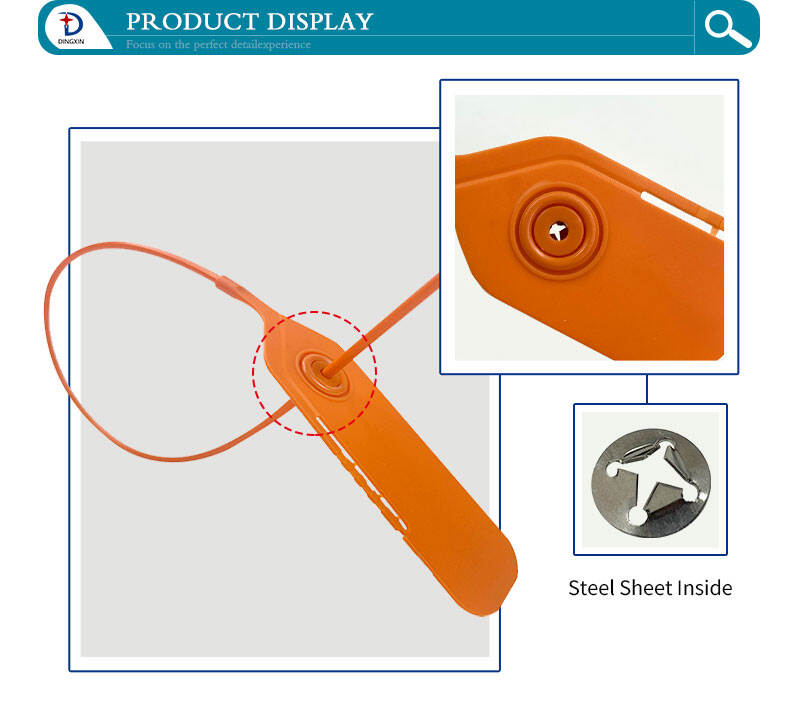
Security seals that are made Polypropylene Plastic (PP) are able to retain mechanical integrity and functionality at extreme temperatures ranging from -40 to +85 degrees Celsius, in extreme humidity, and with a high level of UV light for an extended time. In addition, they are not able to be corroded by a wide range of chemicals, and will not become fatigued or deformed by a high level of mechanical stress that is defined as 250 kilograms force, by ISO 17712:2013. In other accelerated aging tests, the polymer that PP reduces in 1,000 hours of exposure to UV light to 98% of its original mechanical strength. This signifies a distinct improvement when compared with other polymers. This strength of the material is an attribute that is desirable when documenting the chain of custody for shipments of pharmaceuticals that need to be temperature controlled, of equipment used in offshore energy goods, and for cross border shipments in logistics. For these shipments
Cross-Industry Adoption of Security Standards, Controls, and Risk Management
Logistics and Transportation: Sealing Containers, Trailers, and Rail Cars
International shipments of goods are sealed with security plastic in accordance with C-TPAT (Customs-Trade Partnership Against Terrorism) and ISO 17712 standards. These standards dictate the strength of seals, the methods and types of tests to be performed, and the procedures for inspecting the seals, ensuring the security of goods is verified where containers, trailers, and rail cars cross borders. Failure to comply leads to delays and penalties exceeding $10,000 (U.S. CBP, 2023) and loss of trusted trader status. An irreversible locking mechanism provides chain-of-custody evidence in court to prove and determine the liability and responsibility for damages during international transport.
Healthcare and Pharmaceuticals
Regulations of the FDA and EMA pertaining to the integrity of samples and authenticity of data during all stages of the clinical trial process are also complied with. Colors are used on seals to indicate the proper way to open a container and the serialized printed number provides the means to audit controls of biopharmaceuticals and other controlled substances which are sensitive to temperature and transport. Use of seals certified to ISO standards in healthcare facilities has resulted in as much as a 30% reduction in tampering of samples which avoids regulatory actions that can result in halted clinical trials and refunds of an average of $740,000 (Ponemon Institute, 2023). Their chemical resistance ensures these seals are compatible with all techniques of sterilization and sterilization packaging for medical use.
Frequently Asked Questions
What makes a plastic security seal tamper-evident?
Seals are made with parts that break and cannot be reassembled. These parts, when broken, produce visible signs of a break. Color changes and separation patterns are also examples of irrevocable ways to indicate that a seal has been tampered with.
How do plastic security seals help to maintain chain-of-custody?
Plastic security seals are designed to be traceable as they feature a unique number that is recorded at every checkpoint. This ensures that all stakeholders in the supply chain are accountable at each checkpoint.
What is the cost comparison between plastic versus metal versus electronic security seals?
Plastic security seals cost 30 to 50 percent less than metal or electronic seals, and require 60 percent less labor to install. They do not need power or IoT infrastructure, making them a great option when taking economic factors into account.
What is the environmental resistance capacity of plastic security seals?
Yes. Polypropylene plastic seals can be used in extreme temperatures, UV exposure, high humidity, and can even weather mechanical stress all while retaining their integrity.
What is the justification in logistics and healthcare for using plastic security seals?
In logistics, they align with international standards such as C-TPAT and ISO 17712. In healthcare, they comply with FDA/EMA rules and ensure the integrity of pharmaceuticals and samples.