 EN
EN

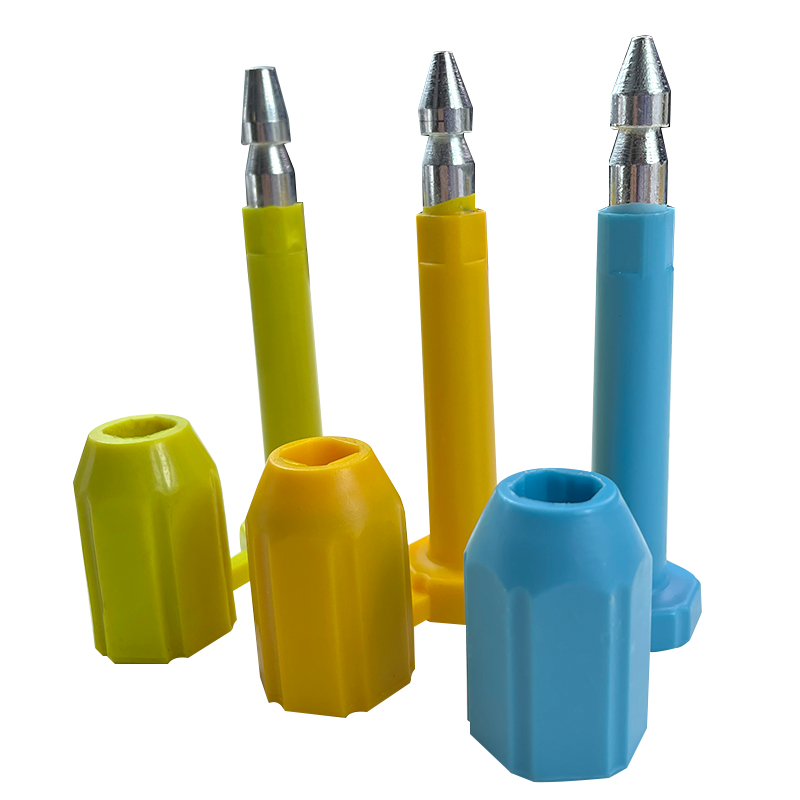
The Core Mechanism: How Bolt Seals Provide Tamper-Evident Cargo Security
Irreversible Locking Design and Physical Tamper Evidence
Bolt seals use a hardened steel pin and barrel-shaped locking head engineered for irreversible engagement. Once secured, separation requires heavy-duty cutters—any forced removal leaves unmistakable evidence: a broken bolt, cracked barrel, or permanent “VOID” mark. These physical traces are visible at a glance, preserving shipment integrity and establishing a reliable chain of custody. This design deters theft and unauthorized access, while enabling rapid verification during inspections at checkpoints or delivery—strengthening trust across global logistics networks.
Step-by-Step Mechanical Function: Application, Engagement, and Breach Detection
Application is simple but precise: insert the bolt through aligned container hasps, then press the locking head onto the bolt until it clicks into place. This single-use engagement permanently secures the seal; removal without cutting tools is impossible. Breach detection relies on immediate visual cues—cracks, deformation, discoloration, or missing components. Some models include anti-spin technology to prevent rotational tampering, and each seal carries a unique serial number or barcode for traceability. When applied correctly, this process ensures that any unauthorized access leaves unambiguous physical proof—from loading dock to final destination.
Correct Application and Verification: Ensuring Bolt Seal Integrity in Real-World Transit
Best Practices for Bolt Seal Installation and Visual Verification
Proper installation begins with verifying the container door is fully latched and the hasp holes are perfectly aligned. Separate the bolt seal into its two components—the metal bolt and barrel lock—and insert the bolt from the outside until the head rests flush against the latch. Then snap the barrel onto the bolt until it locks with an audible click. Immediately verify: the bolt head must be flush, the barrel fully engaged, and the serial numbers on both parts must match exactly. Record the seal number and inspect for pre-existing damage before dispatch. These steps ensure the seal delivers immediate, reliable tamper evidence under real-world conditions.
Common Errors That Compromise Bolt Seal Effectiveness
Critical errors undermine even high-grade seals. Applying the seal when the latch isn’t fully closed creates exploitable gaps without breaking the seal. Excessive insertion force can deform the bolt or crack the barrel, while insufficient insertion results in insecure engagement. Failing to confirm matching serial numbers between bolt and barrel signals potential tampering or counterfeit use. Reuse is strictly prohibited—bolt seals are single-use by design. Improper removal (e.g., cutting the barrel instead of the bolt) also impairs breach detection. Comprehensive staff training eliminates these risks and ensures seals perform as intended throughout transit.
Strategic Bolt Seal Selection for Supply Chain Resilience
Choosing the right bolt seal is a risk-based decision—not a one-size-fits-all choice. Key considerations include cargo value, transportation environment, regulatory requirements, and threat profile. For international freight—especially under C-TPAT or similar customs programs—ISO 17712:2013–certified high-security steel bolt seals are mandatory to avoid delays, penalties, or rejected shipments. In contrast, lower-risk domestic movements carrying low-value goods may justify cost-effective plastic alternatives. Steel bolt seals deliver superior strength and tamper evidence where security demands are highest; plastic variants offer functional integrity where threats are minimal. Aligning seal grade with actual risk prevents both over-specification waste and dangerous under-protection—directly reinforcing supply chain resilience.
Bolt Seals in Context: Complementing Layered Security Protocols
Integration with Bar Seals, GPS Trackers, and Documentation Controls
Bolt seals achieve maximum effectiveness only as part of a layered security strategy—combining physical barriers, digital monitoring, and procedural controls. While bolt seals provide definitive tamper evidence at primary access points, bar seals add secondary physical barriers on doors and hatches, creating sequential detection: if a bolt seal is breached but the bar seal remains intact, it indicates limited or partial access. GPS trackers enable real-time anomaly detection—unexpected stops, route deviations, or geofence breaches trigger alerts before physical inspection occurs. Meanwhile, documentation controls like electronic seal logs and blockchain-based bills of lading generate immutable digital audit trails that cross-verify physical seal status. For instance, a GPS alert followed by an on-site inspection revealing an intact bolt seal—but mismatched digital records—points to procedural fraud rather than physical intrusion. This integrated approach closes blind spots inherent in single-point solutions and contributes to a 38% reduction in cargo theft incidents, per FreightWatch International’s 2023 Global Logistics Risk Report.
FAQ
What is a bolt seal?
Bolt seals are tamper-evident locking mechanisms used to secure cargo, consisting of a hardened steel pin and a barrel locking head designed for irreversible engagement.
How can tampering with a bolt seal be detected?
Tampering is identified through visible damage such as cracks, deformation, discoloration, or mismatched components like serial numbers.
Are bolt seals reusable?
No, bolt seals are strictly single-use to ensure reliable tamper evidence and prevent compromise.
What industries typically use bolt seals?
Bolt seals are widely used in logistics, shipping, and transportation industries for securing cargo in transit, particularly under C-TPAT or ISO 17712:2013 regulations.
Why are serial numbers on bolt seals important?
Serial numbers enhance traceability by ensuring each seal is uniquely identifiable, discouraging tampering or counterfeiting.